CBS News Live
CBS News Boston: Local News, Weather & More
CBS News Boston is your streaming home for breaking news, weather, traffic and sports for the Boston area and beyond. Watch 24/7.
Watch CBS News

A greater Boston starts here
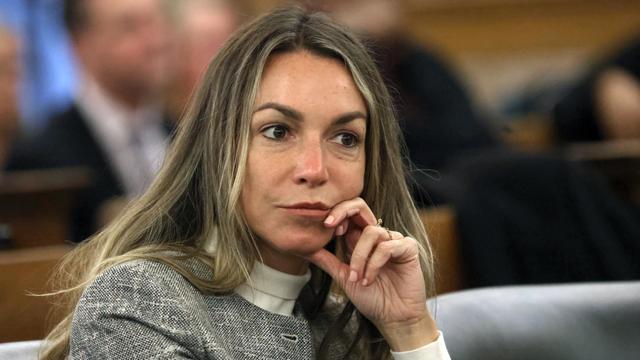
Karen Read is set to stand trial, accused of killing her boyfriend, Boston police officer John O'Keefe outside a Canton, Massachusetts home.
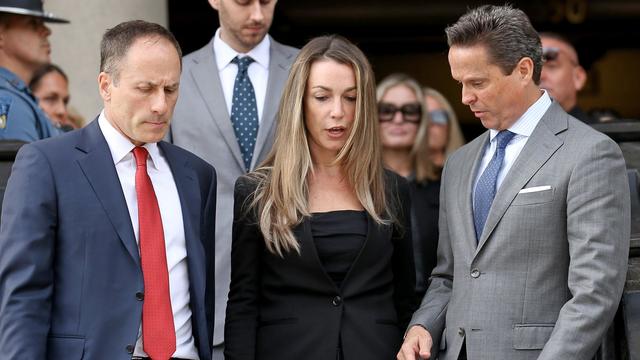
Law experts say the challenge for the jury will be proving they can be unbiased in the widely polarizing case.

This is the second death from the massive fire in East Boston on April 2.

The Red Sox have some real big problems. Mainly, the team can't really hit and can't play something resembling good defense.
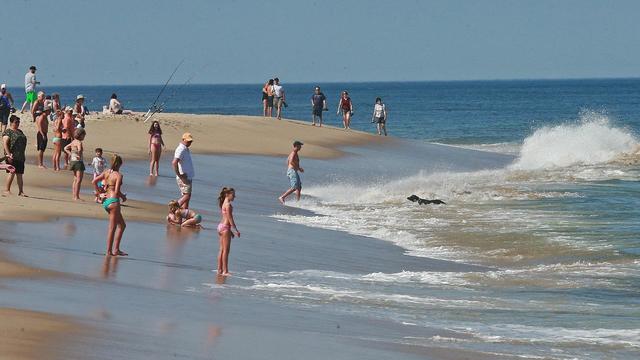
The National Park Service announced several construction projects on Massachusetts beaches in the coming months, and they could impact your trip.
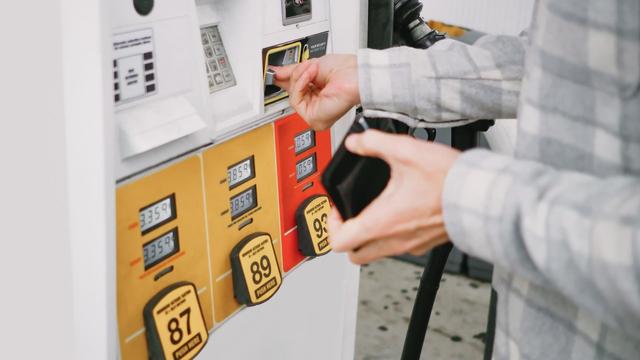
According to AAA, there are a few reasons gas prices could be set to spike.
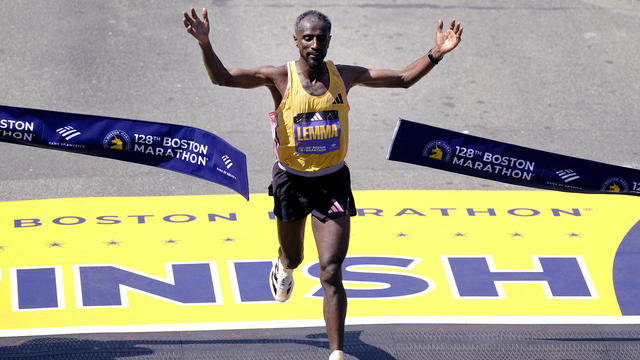
Follow along for all the winners and results from the 2024 Boston Marathon!

Boston-based box wine brand Alileo teamed up with Caffe Nero to launch a coffee and wine experience in Massachusetts.

Maine is the newest frontier for the illicit marijuana trade, with potentially hundreds of suspected unlicensed grow houses operating in the state.
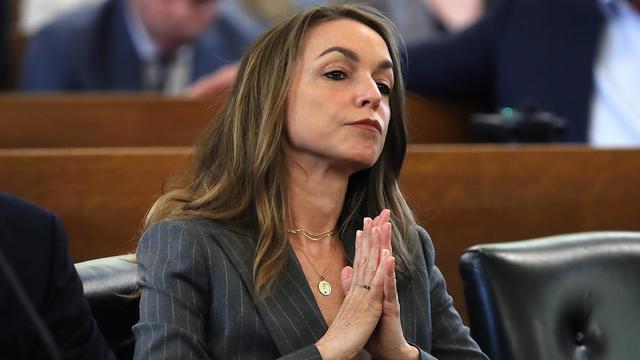
A look at the timeline of events in Karen Read's high-profile Massachusetts murder trial as she is charged with killing Boston police officer John O'Keefe.
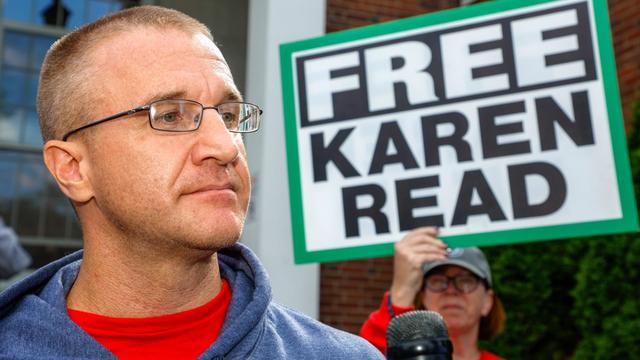
Aidan Kearney, the Massachusetts blogger who goes by the name "Turtleboy," has become a key figure in the Karen Read murder trial.
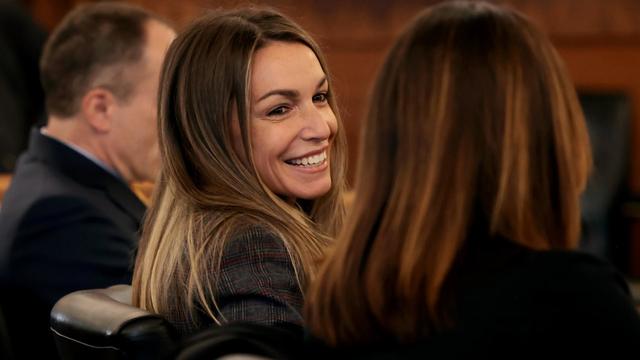
Karen Read is on trial, charged with killing her boyfriend, Boston police officer John O'Keefe. Here's what to know about the trial.
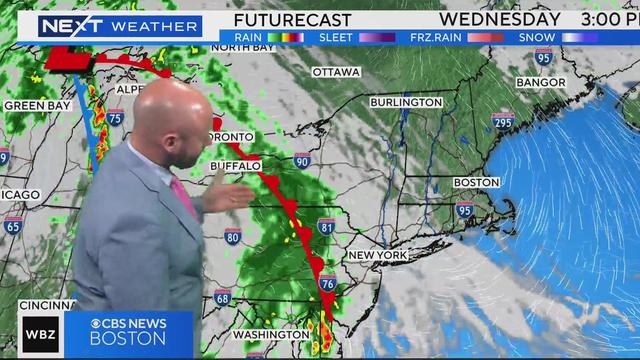
Jacob Wycoff has your latest forecast for the Boston area.

Jury selection began in the murder case of Karen Read.

A child is the second person to die in an April 2 East Boston fire, the district attorney says.
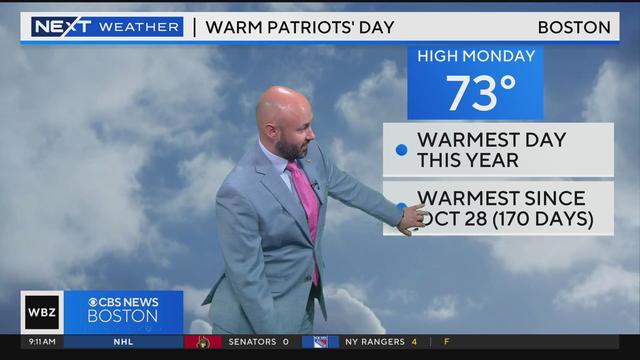
Jacob Wycoff has your latest weather forecast.
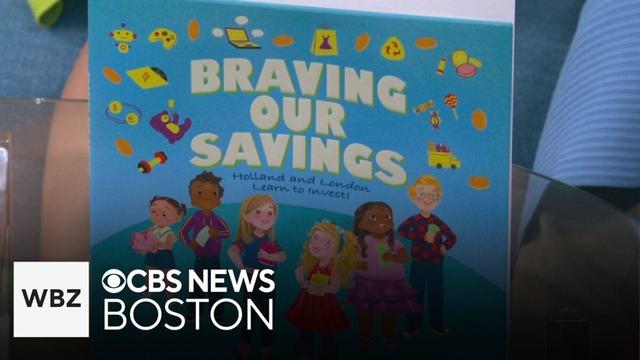
Learning how to manage money at an early age is incredibly important, but it's not always an easy lesson to teach. Author and investor Sarah Samuels wants to change that.

State contracts obtained by the I-Team show taxpayers are paying tens of millions of dollars to hotels for rooms and food.
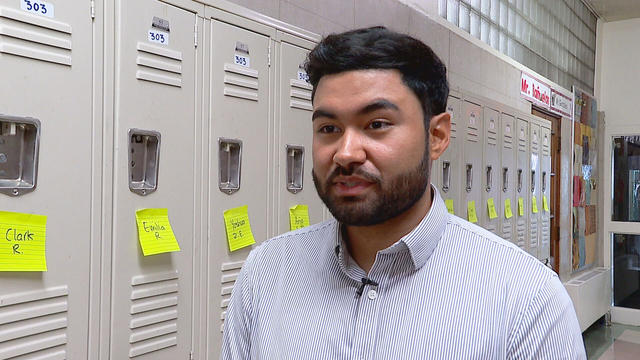
A fourth-grade teacher at an elementary school in Cambridge is facing child rape charges.
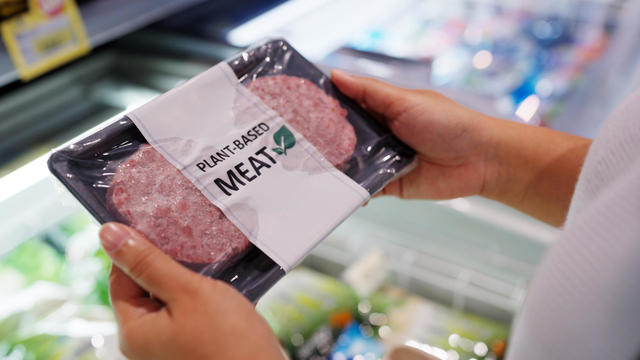
Researchers in Singapore looked at whether or not plant-based meat alternatives provided the same health benefits as real meat.

A nonsurgical weight loss procedure may be more effective and less expensive than weight loss drugs like Ozempic.

With a win Tuesday, the Bruins would clinch the Atlantic Division and a first-round meeting with the Lightning. But would Boston prefer the alternative?

Blake Griffin announced his retirement Tuesday after a 14-year career that included six All-Star selections, Rookie of the Year honors and a dunk contest victory.
The Red Sox have some real big problems. Mainly, the team can't really hit and can't play something resembling good defense.
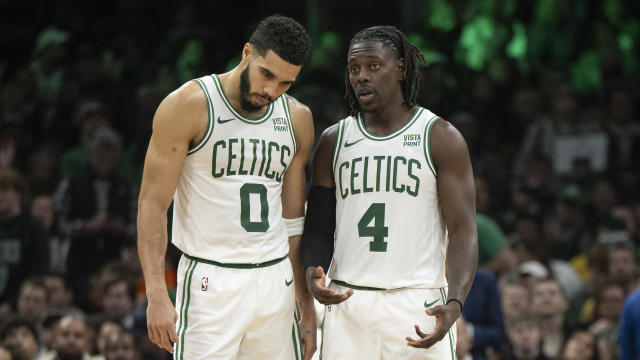
While the Celtics hope to be playing deep into the summer, Jayson Tatum and Jrue Holiday will both be playing on the Olympic stage when the NBA season ends.

Another day, another quarterback visit for the Patriots. On Tuesday, it will be Michael Penix Jr. visiting Gillette Stadium.

The Washington Capitals moved another step closer to the playoffs by beating the Boston Bruins 2-0 on Monday night.
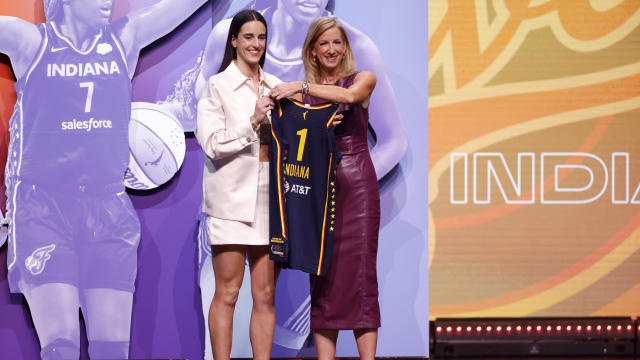
Caitlin Clark has been selected with the No. 1 pick in the WNBA draft by the Indiana Fever.
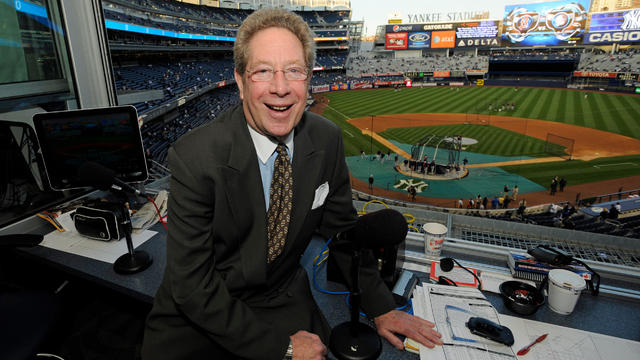
For 36 years, John Sterling was the voice of the Yankees. His retirement will be recognized in a pregame ceremony on Saturday.
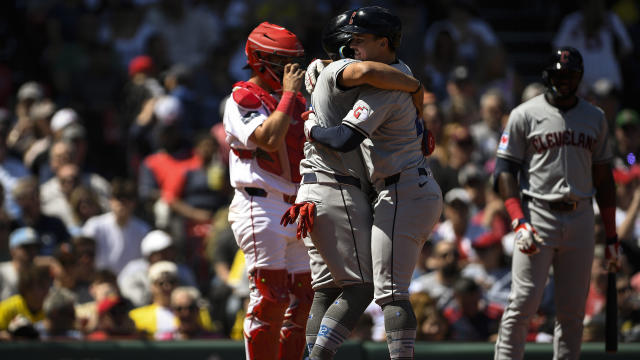
Will Brennan hit a pinch-hit, two-run homer in the seventh inning and the Cleveland Guardians beat the Red Sox 6-0 on Monday in Boston's traditional Patriots' Day game.
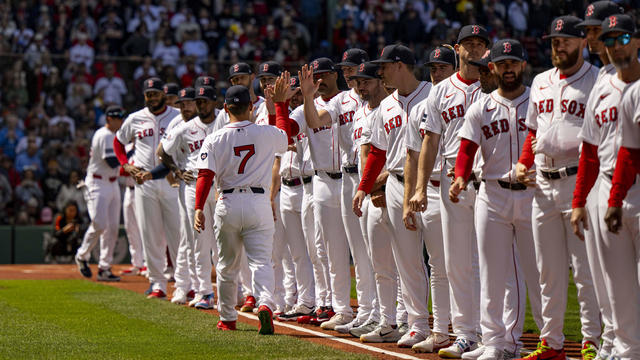
When WBZ-TV showed Boston Red Sox fans pictures of current players, few could name any of them.
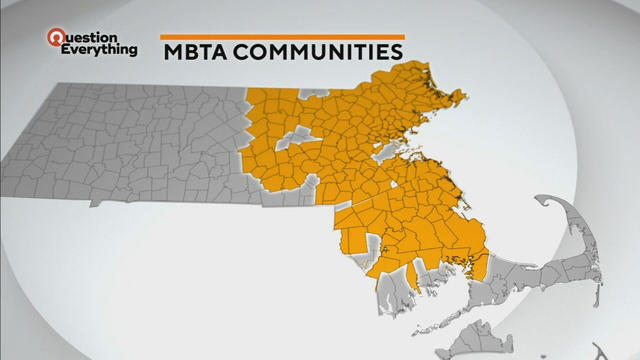
A law designed to ease the housing crunch in Massachusetts is turning into a battle between the state and some communities.
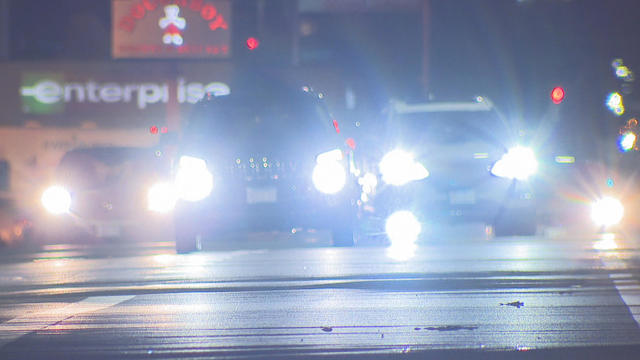
The blueish tint of LED headlights can make for a white-knuckle ride on roads in Massachusetts and beyond.

Ice cream lovers are coming from all over to Holy Cow Ice Cream Cafe for their homemade ice cream and unique flavors.

A Somerville business is bringing pinball players together as they get their nostalgia fix.
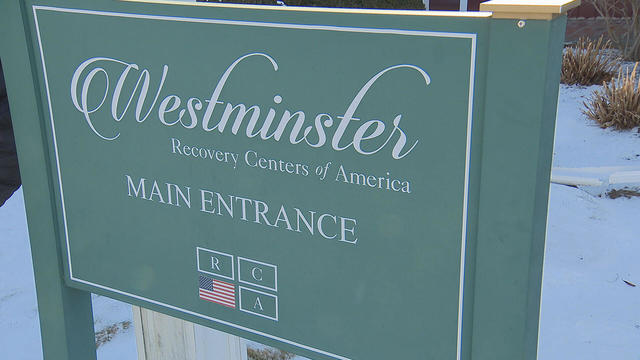
The Recovery Center of America in Westminster, Massachusetts has a program to help first responders and veterans suffering from addiction.
Researchers in Singapore looked at whether or not plant-based meat alternatives provided the same health benefits as real meat.
A nonsurgical weight loss procedure may be more effective and less expensive than weight loss drugs like Ozempic.
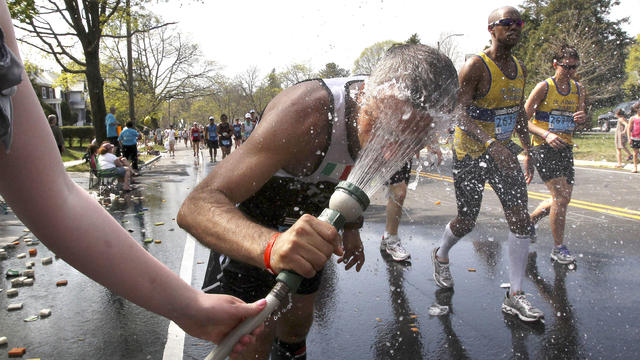
The Boston Marathon weather forecast for Monday sounds glorious for spectators, but it may be too hot for the runners.
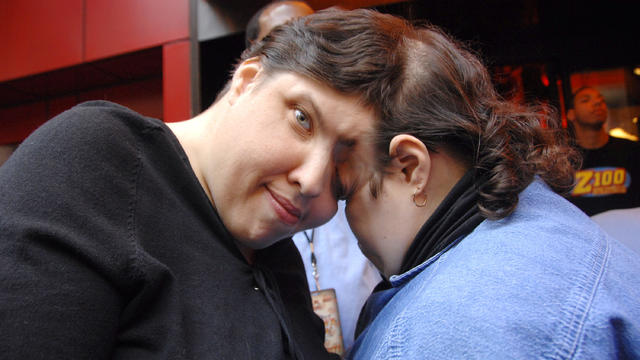
George Schappell and sister Lori, of Reading, Pa., were the world's oldest conjoined twins, according to the Guinness Book of World Records.
Temperatures that are too high or too low have been linked to death and disability due to stroke, researchers say.
State contracts obtained by the I-Team show taxpayers are paying tens of millions of dollars to hotels for rooms and food.
A fourth-grade teacher at an elementary school in Cambridge is facing child rape charges.
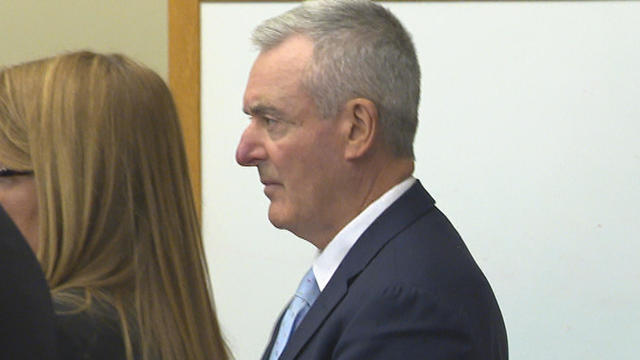
William Foley Jr., a five-time drunk driver who lost his license after a fatal crash in 2001, is back behind bars after an I-Team investigation.
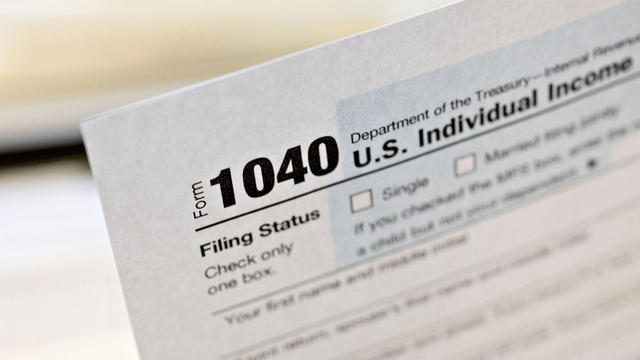
The IRS Criminal Investigation unit helps go after violent criminals, including some right here in Boston.
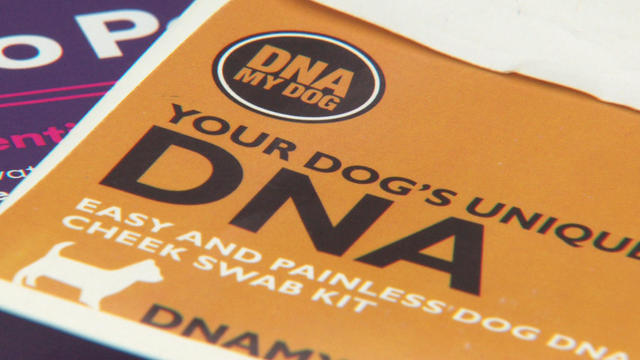
A pet DNA testing company out of New Hampshire linked dog breeds to a human sample – twice.
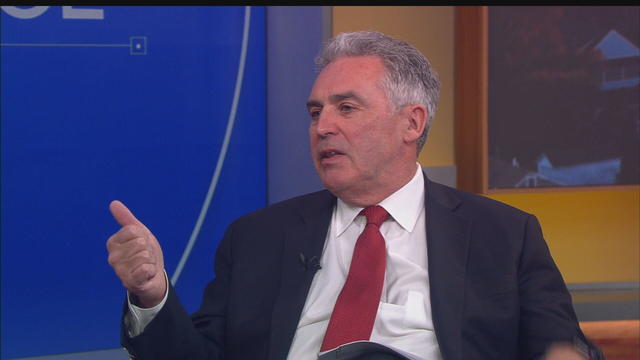
"It's the golden goose," said Rooney of Boston's commercial property taxes, which provides a large percentage of the city's annual revenue.
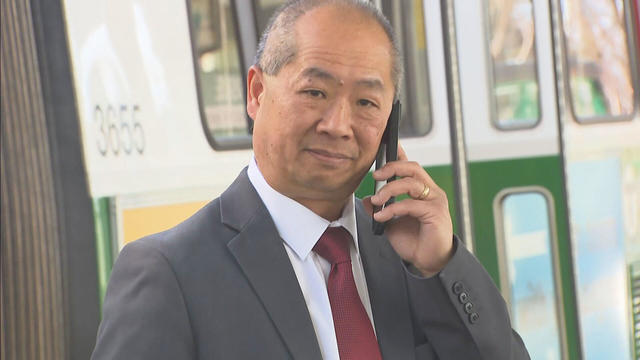
MBTA General Manager Phil Eng gets high marks for improving the T's management and culture, but there's a lot of red ink that needs to be dealt with, says WBZ-TV's Jon Keller.
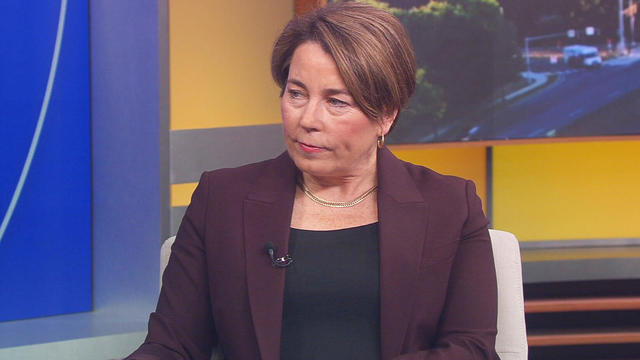
As Beacon Hill struggles to deal with a surge of homeless migrants, Governor Maura Healey finds herself dealing with another surge -- of political outrage over reports of migrant crime.

A new study of driving automation technology says 11 of 14 systems performed poorly under optimal road conditions.
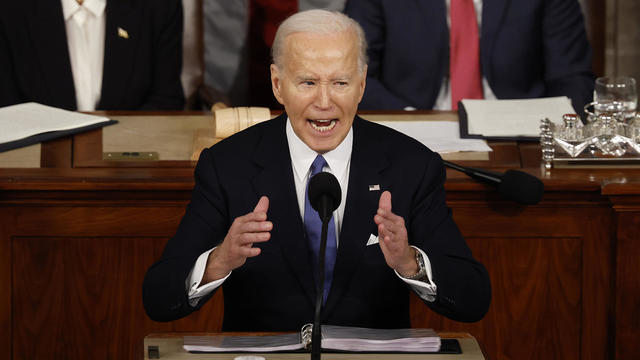
President Biden seemed to relish the moment, wasting no time unleashing a high-energy assault on his political enemies.
Boston-based box wine brand Alileo teamed up with Caffe Nero to launch a coffee and wine experience in Massachusetts.
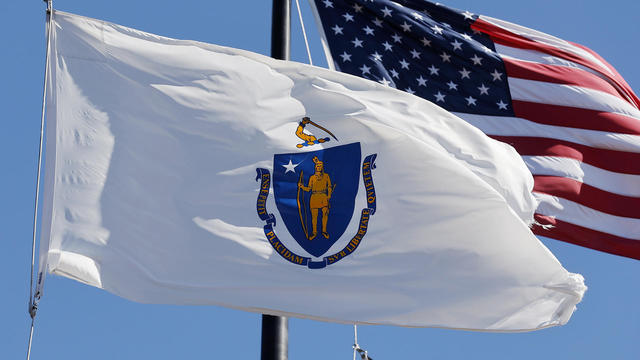
Today is Patriots' Day in Massachusetts. Here's what to know about the celebrations and what's open and closed for the holiday.
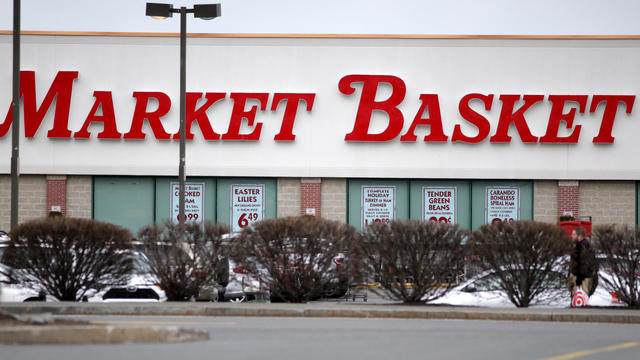
Market Basket is considering appealing a federal jury's decision to award a New Hampshire man more than $134,000 in an age discrimination lawsuit.
Take a look at some of the stores that will be closed for Easter in Massachusetts.

Ronnies, a popular seafood and ice cream restaurant in central Massachusetts, is closing its doors.

A fluffy pile of golden retrievers took over the Boston Common in memory of Spencer the marathon dog.

The thick fog made for an eerie sight as the Mayflower II crossed the Cape Cod Canal.
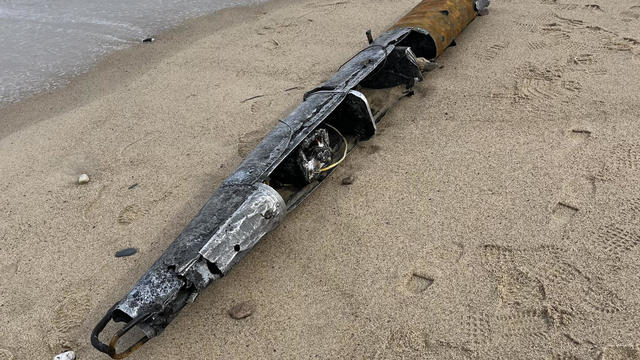
A piece of decades-old military equipment washed up on a Cape Cod beach last week.

Everett police are asking if anyone recognizes a kitten with a "heart-shaped nose and strawberry dress."
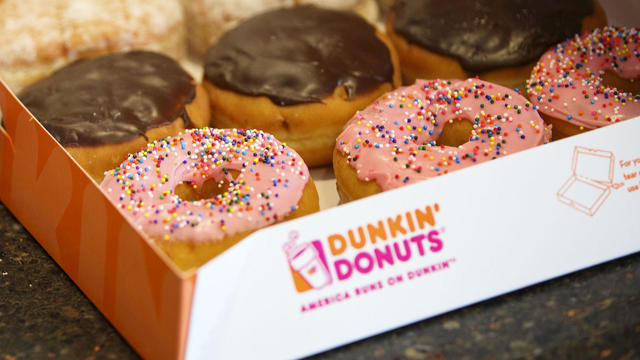
Dunkin' is now Donuts' - at least for April Fools' Day.
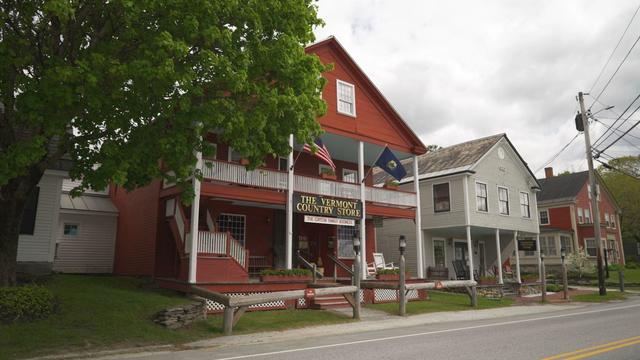
The Vermont Country Store has since become an iconic destination for locals and tourists alike.
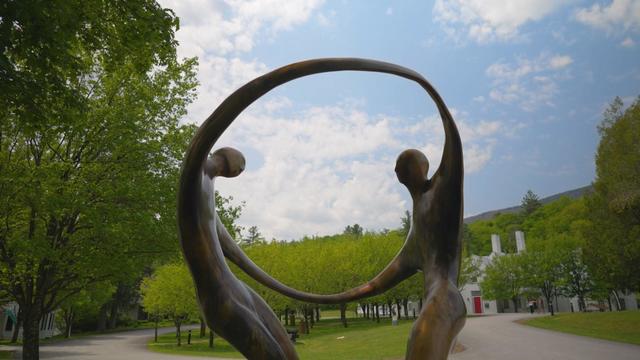
Creating an inviting environment for the community to meet, enjoy and participate in the arts
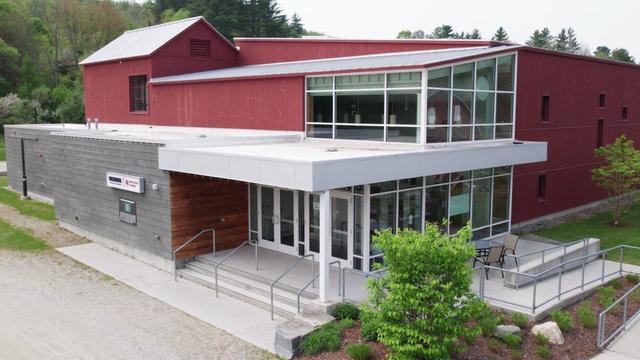
For over 85 years, Weston Theater Company has been creating engaging, entertaining, and inspiring theater.

Surrounded by mountains, Kimpton Taconic is a boutique hotel offering both classic and highly curated experiences.

Learn how the strategic use of windows and harnessing the power of daylight can create space and comfort within a home.
This is the second death from the massive fire in East Boston on April 2.
Maine is the newest frontier for the illicit marijuana trade, with potentially hundreds of suspected unlicensed grow houses operating in the state.
According to AAA, there are a few reasons gas prices could be set to spike.

Jury selection in former President Donald Trump's historic criminal trial in New York is continuing for a second day on Tuesday.
The National Park Service announced several construction projects on Massachusetts beaches in the coming months, and they could impact your trip.
With a win Tuesday, the Bruins would clinch the Atlantic Division and a first-round meeting with the Lightning. But would Boston prefer the alternative?
Blake Griffin announced his retirement Tuesday after a 14-year career that included six All-Star selections, Rookie of the Year honors and a dunk contest victory.
The Red Sox have some real big problems. Mainly, the team can't really hit and can't play something resembling good defense.
While the Celtics hope to be playing deep into the summer, Jayson Tatum and Jrue Holiday will both be playing on the Olympic stage when the NBA season ends.
Another day, another quarterback visit for the Patriots. On Tuesday, it will be Michael Penix Jr. visiting Gillette Stadium.