CBS News Live
CBS News Boston: Local News, Weather & More
CBS News Boston is your streaming home for breaking news, weather, traffic and sports for the Boston area and beyond. Watch 24/7.
Watch CBS News

A greater Boston starts here
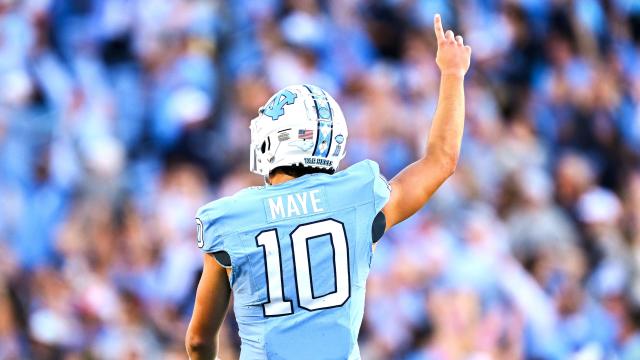
Michael Hurley says the New England Patriots made the right pick with Drake Maye at number 3.
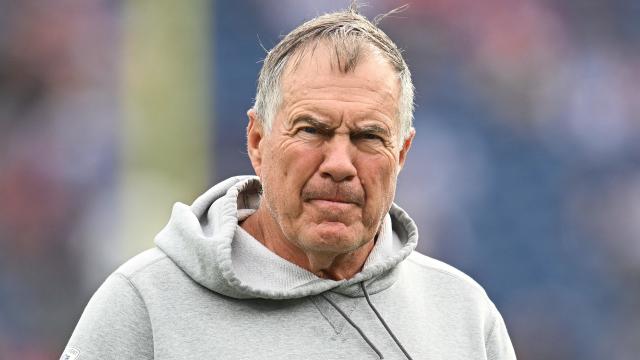
In his new role as an NFL Draft analyst, former Patriots head coach Bill Belichick wasted no time critiquing his old team's new quarterback, Drake Maye.
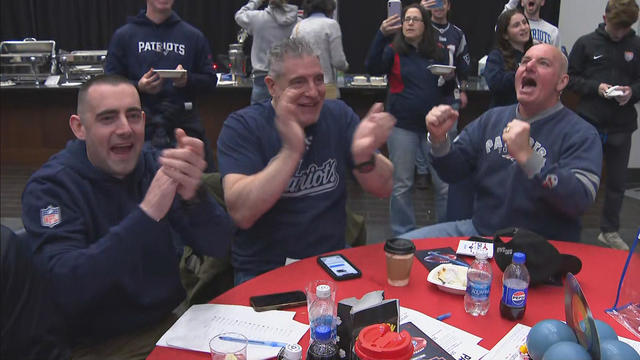
There is huge hope among fans for this new era of the New England Patriots.
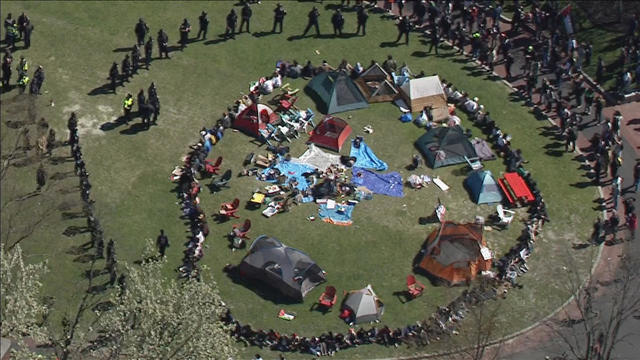
Northeastern University is the latest college campus in Massachusetts to see pro-Palestinian student protests.
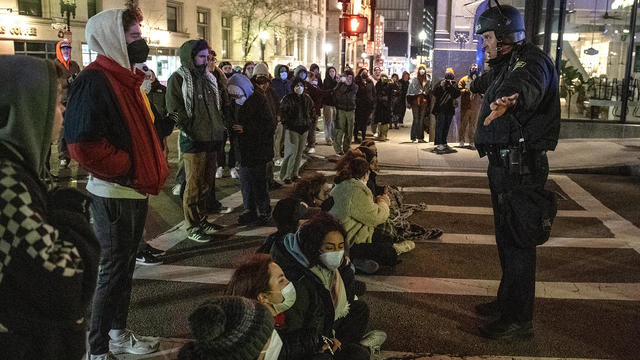
The 2B Alleyway off Boylston Street, that's been full of Emerson College student demonstrators since Sunday night, now sits empty.
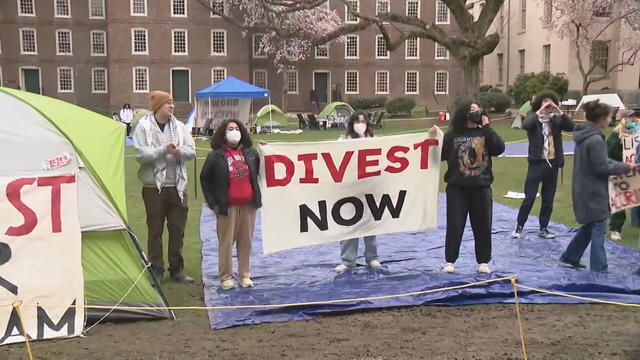
Students are asking colleges to divest - or withhold money - from the Israeli military.
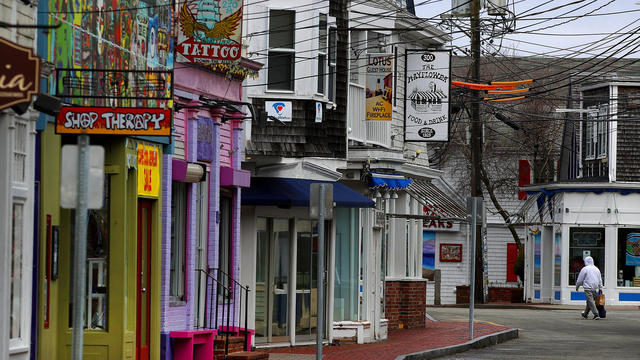
Businesses in Provincetown are running into trouble when to comes to hiring summer employees.
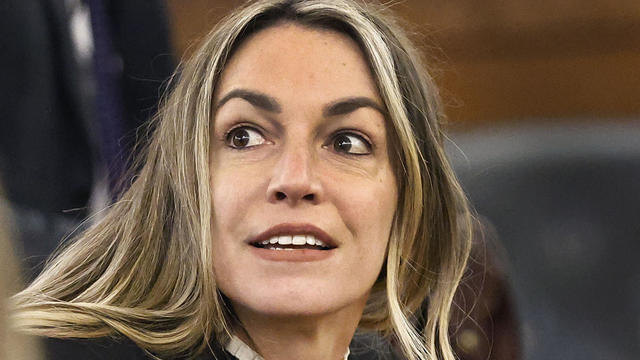
The judge heard arguments on several key motions in the Karen Read murder case ahead of opening statements.
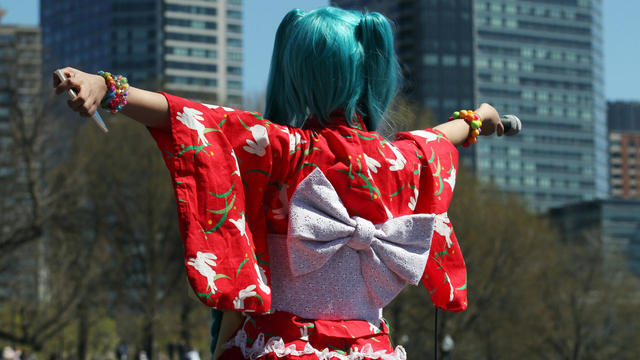
There are plenty of fun and exciting events this weekend to celebrate Spring and the end of April!
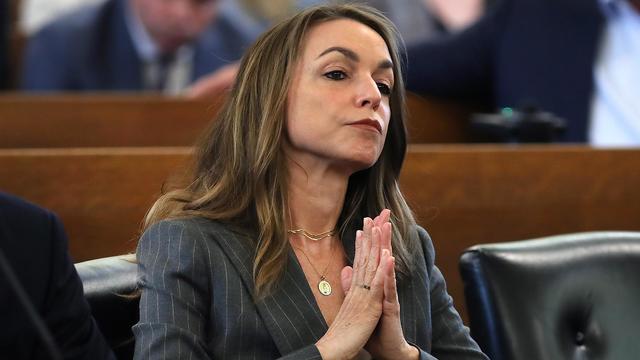
A look at the timeline of events in Karen Read's high-profile murder trial.
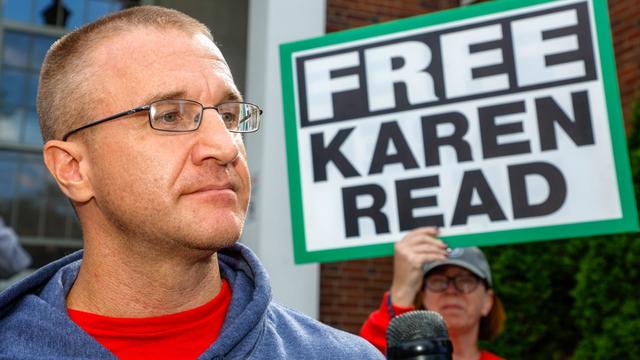
Aidan Kearney, the blogger known as "Turtleboy," is a key figure in the Karen Read trial.
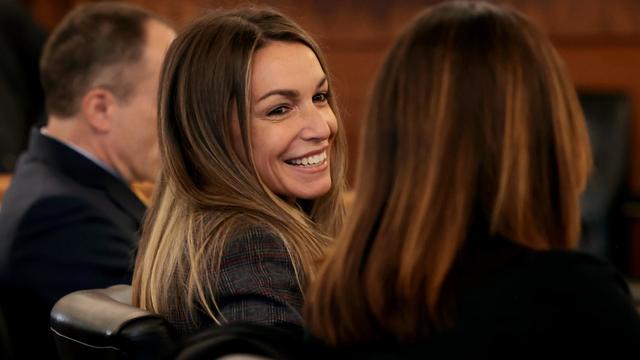
Karen Read is charged with killing her boyfriend, Boston police officer John O'Keefe.
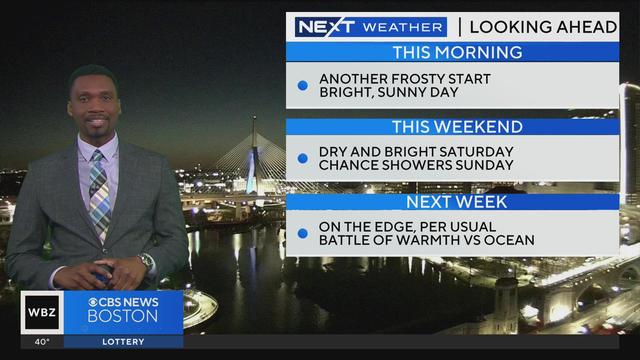
Jason Mikell has your latest weather forecast.
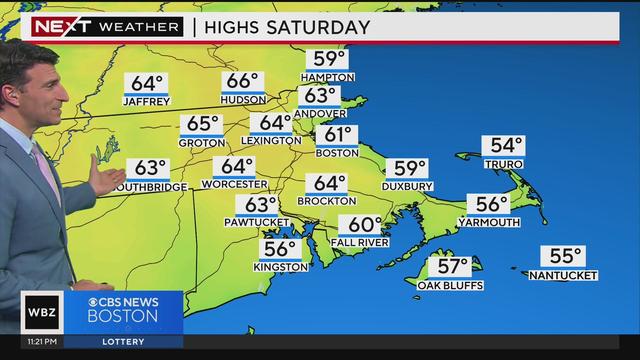
Eric Fisher has an updated weather forecast.
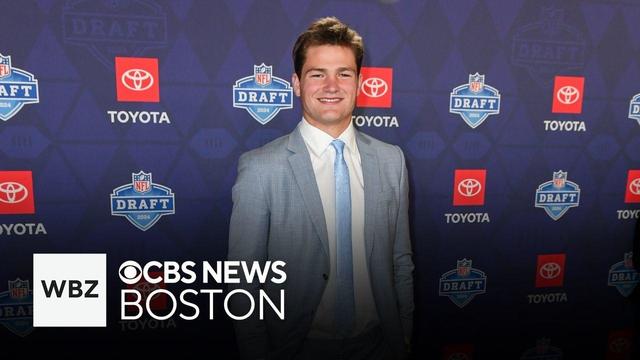
Drake Maye was drafted third overall by the New England Patriots in the 2024 NFL Draft, and can't wait to get to New England. WBZ-TV's Dan Roche caught up with the quarterback after he was picked to get his thoughts on joining the Patriots, and hear more about his athletic and competitive family.
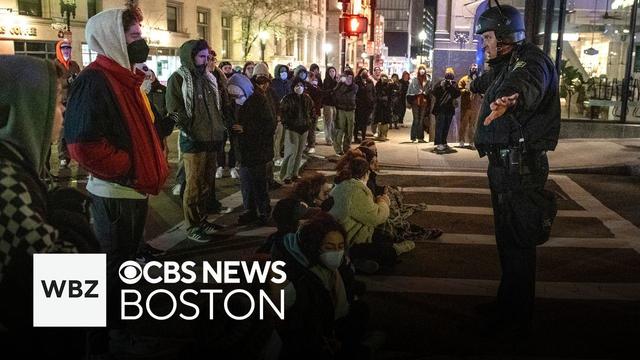
The 2B Alleyway off Boylston Street that's been full of Emerson College student demonstrators since Sunday night now sits empty. WBZ-TV's Courtney Cole reports.
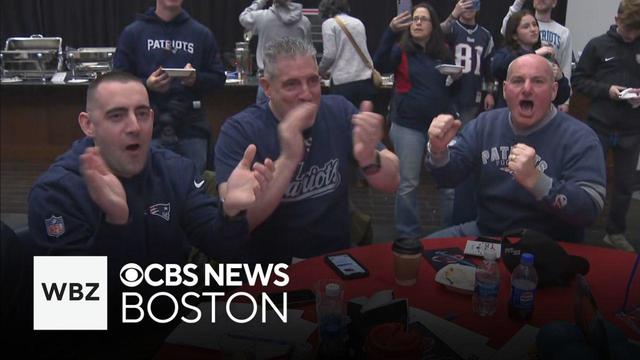
The New England Patriots selected UNC quarterback Drake Maye with the third overall pick in the NFL Draft. WBZ-TV's Juli McDonald spoke with fans at the draft party.
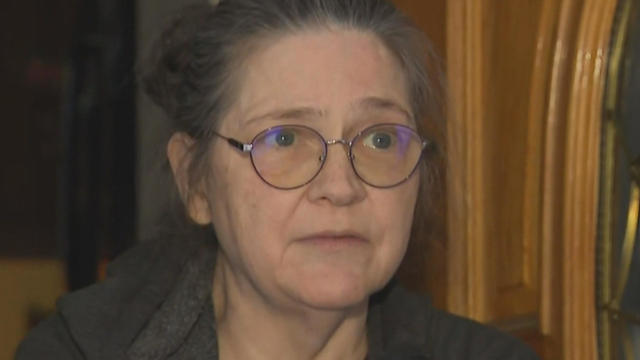
A Townsend woman was scammed into believing a famous actor was in love with her. Then the case took on a potentially more sinister turn.

State contracts obtained by the I-Team show taxpayers are paying tens of millions of dollars to hotels for rooms and food.
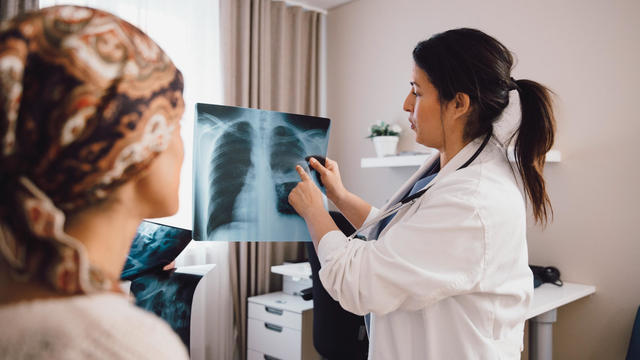
A new study finds that people with breast cancer are more likely to develop a second cancer over time.
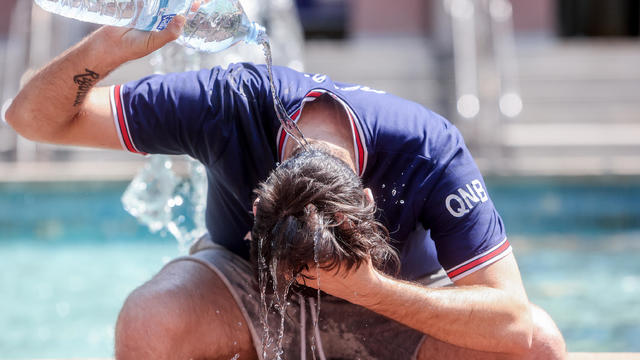
The CDC is keeping a close eye on the impact that rising heat is having on o
Michael Hurley says the New England Patriots made the right pick with Drake Maye at number 3.
In his new role as an NFL Draft analyst, former Patriots head coach Bill Belichick wasted no time critiquing his old team's new quarterback, Drake Maye.
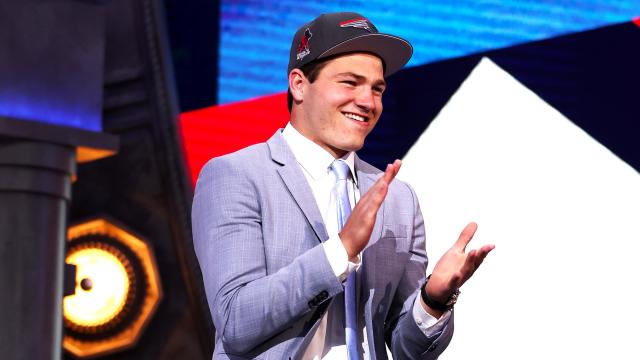
Drake Maye was rather excited when he sat down for a virtual meeting with Patriots reporters on Thursday night. And that's putting it mildly.
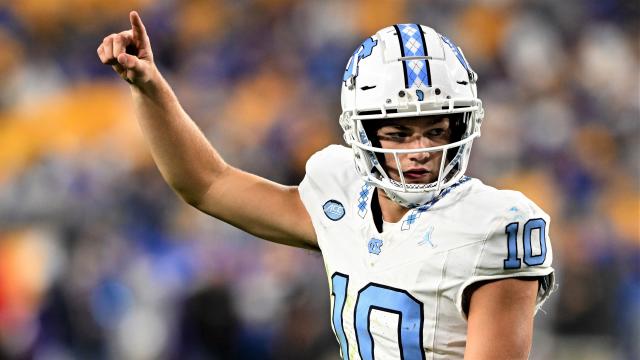
The Patriots are hoping that they have their new franchise quarterback in Drake Maye, whom they drafted third overall Thursday night at the 2024 NFL Draft.
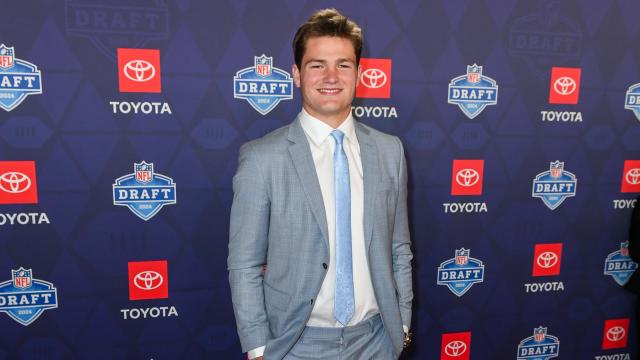
Sitting at No. 3 overall behind two quarterback-needy teams, the New England Patriots didn't really have the benefit of first choice when their time came to make their pick. But that's something they were comfortable with.
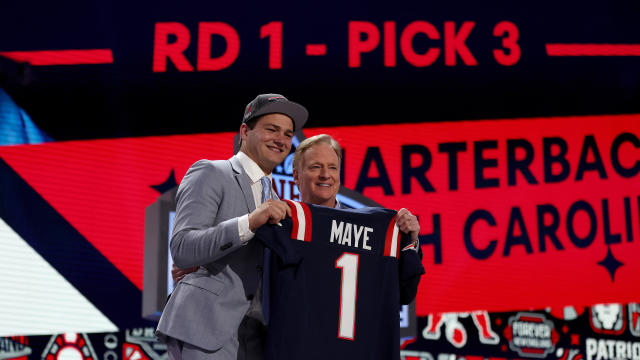
With the third overall pick in the 2024 NFL Draft, the New England Patriots selected quarterback Drake Maye out of UNC.
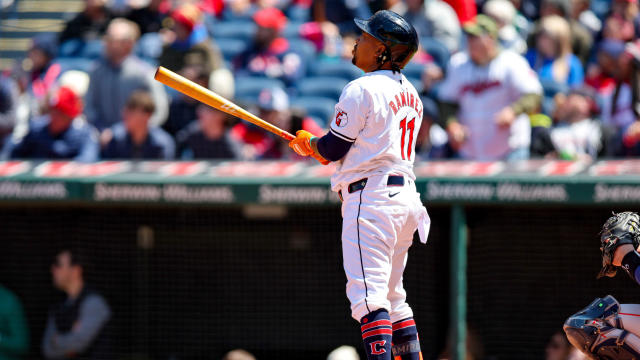
José Ramírez belted his sixth career grand slam and had three hits, Will Brennan added a solo homer and the Cleveland Guardians beat the Boston Red Sox 6-4 on Thursday.
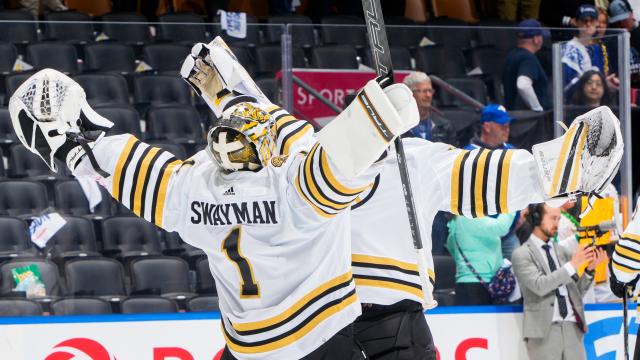
Jeremy Swayman doesn't know if he'll be asked to play again in Game 4. But he knows he wants to.
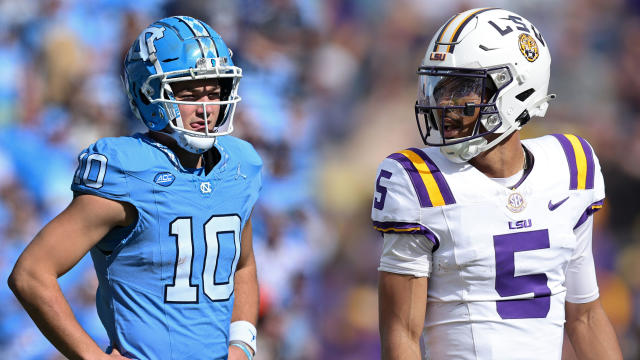
The NFL Draft has arrived, meaning the Patriots will make a potentially franchise-altering pick early Thursday night. It will also mark the end of "Mock Draft Season."
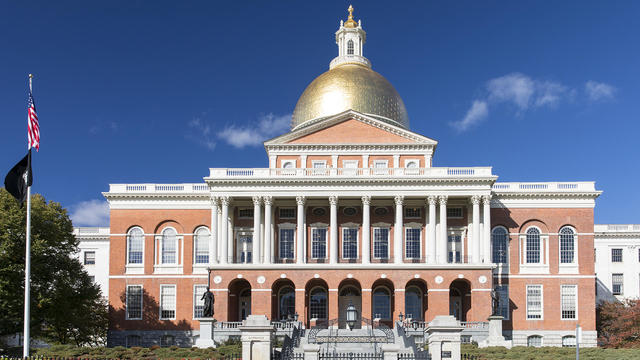
Believe it or not, according to data from the Tax Foundation, Massachusetts ranks better than 13 other states.
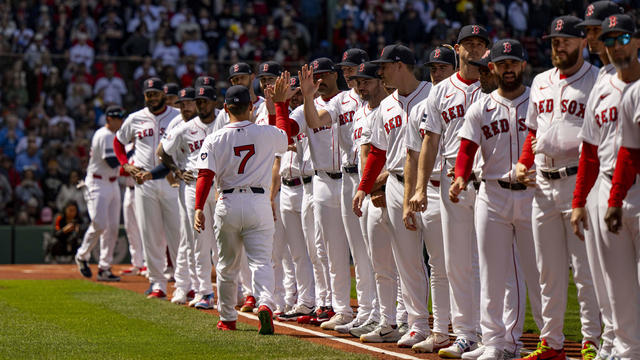
When WBZ-TV showed Boston Red Sox fans pictures of current players, few could name any of them.
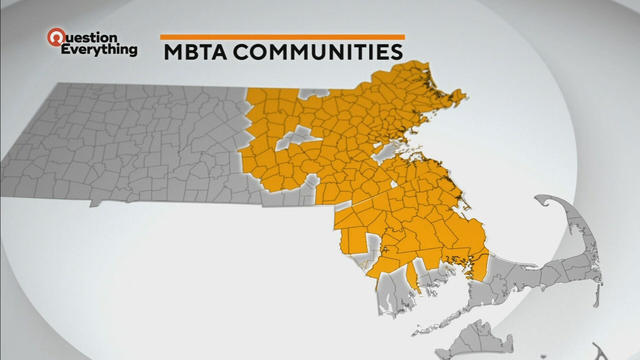
A law designed to ease the housing crunch in Massachusetts is turning into a battle between the state and some communities.
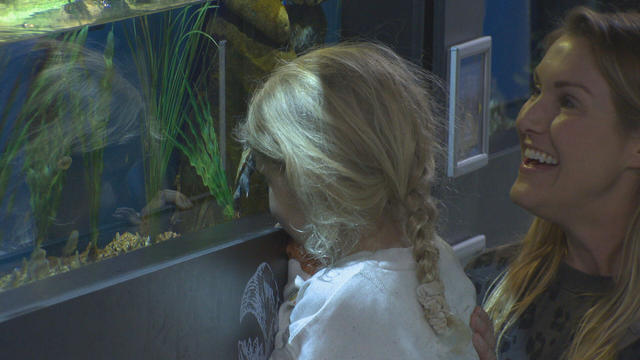
In Falmouth, just down the road from the ferry that heads to Martha's Vineyard, is an aquarium that happens to be a piece of history on Cape Cod.
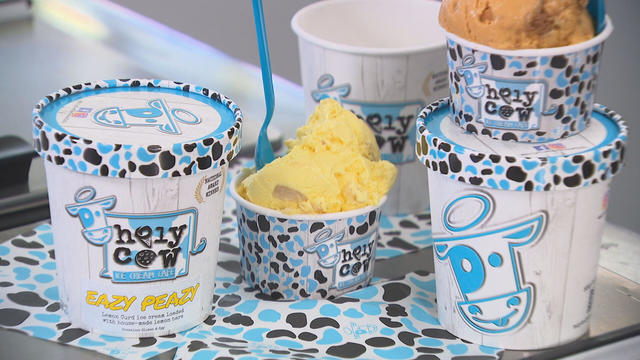
Ice cream lovers are coming from all over to Holy Cow Ice Cream Cafe for their homemade ice cream and unique flavors.
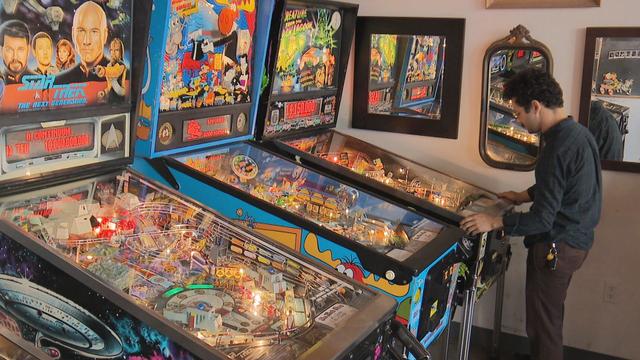
A Somerville business is bringing pinball players together as they get their nostalgia fix.
A new study finds that people with breast cancer are more likely to develop a second cancer over time.
The CDC is keeping a close eye on the impact that rising heat is having on o
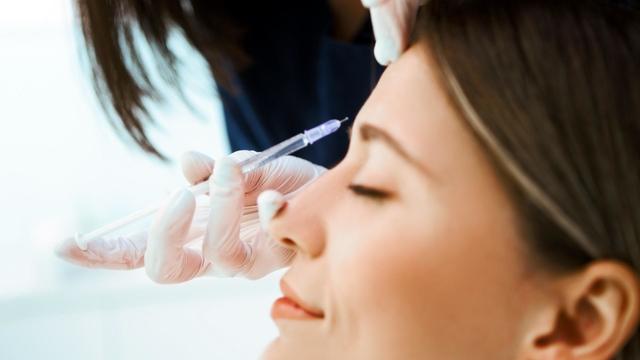
The CDC has issued an advisory about the risks of safely injecting Botox after some people have gotten so sick they had to be hospitalized.
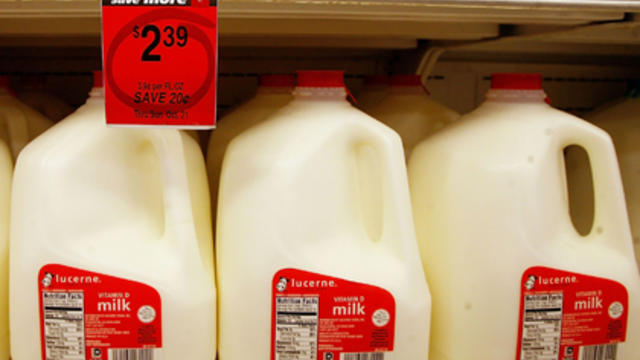
Federal officials say they're double checking whether pasteurization has eradicated the danger from possible bird virus particles in milk.
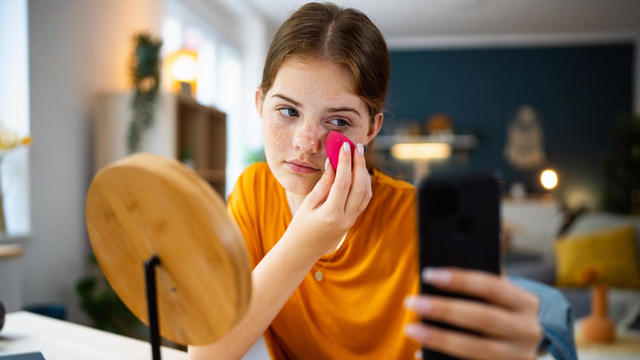
Members of Gen-Z believe they are aging faster than other generations, but is that true?
A Townsend woman was scammed into believing a famous actor was in love with her. Then the case took on a potentially more sinister turn.
State contracts obtained by the I-Team show taxpayers are paying tens of millions of dollars to hotels for rooms and food.
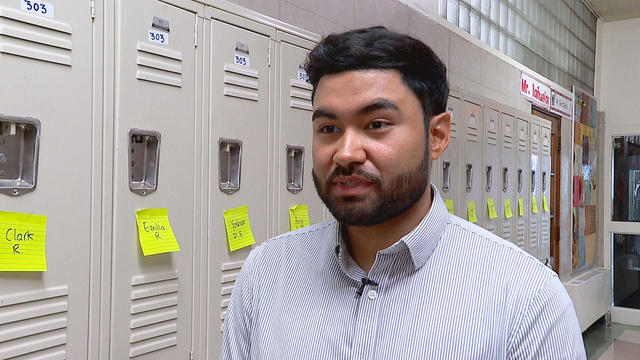
A fourth-grade teacher at an elementary school in Cambridge is facing child rape charges.
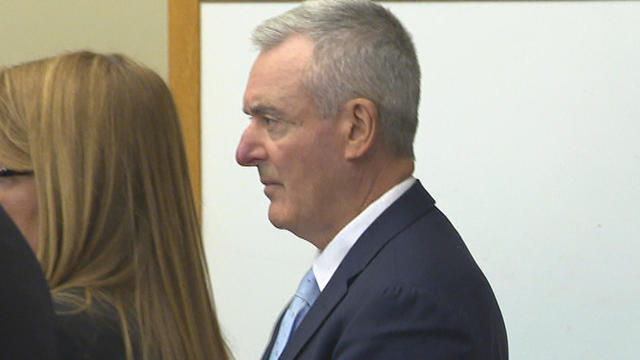
William Foley Jr., a five-time drunk driver who lost his license after a fatal crash in 2001, is back behind bars after an I-Team investigation.
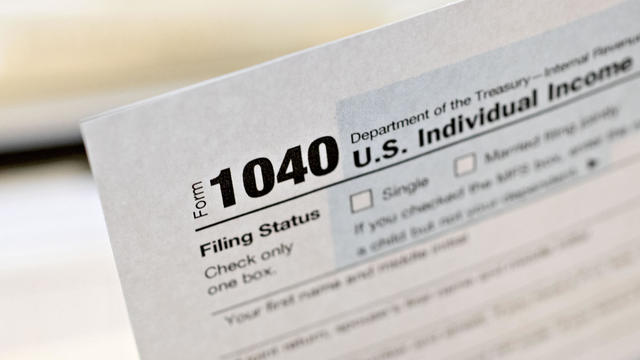
The IRS Criminal Investigation unit helps go after violent criminals, including some right here in Boston.
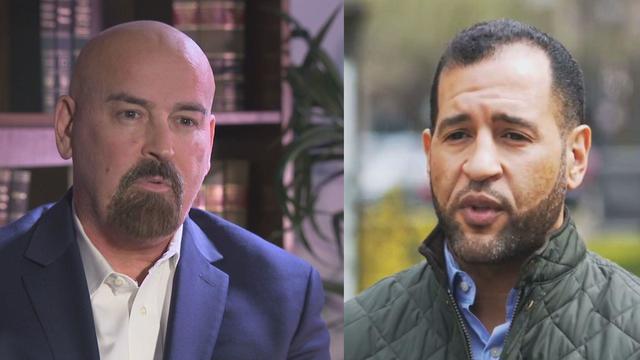
Quincy City Council President Ian Cain and Swansea attorney John Deaton are seeking the Republican nomination to run against Sen. Elizabeth Warren.
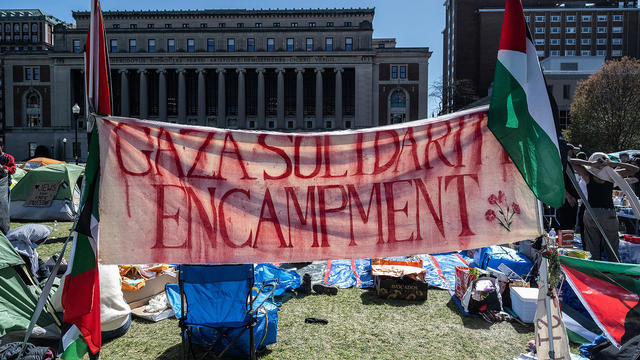
Pro-Palestinian students have accelerated their protests of the Israel-Hamas war. But are the they helping or hurting their cause?
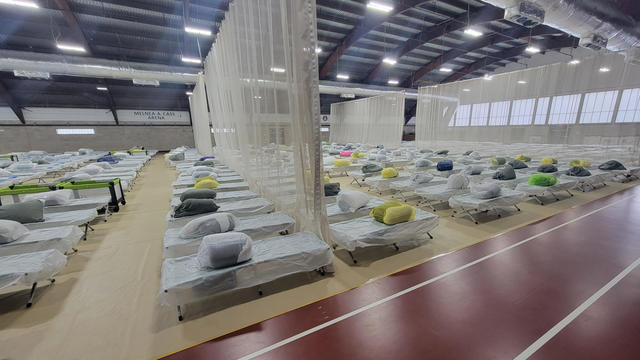
Massachusetts State Sen. Peter Durant weighed in on budget concerns in Massachusetts.
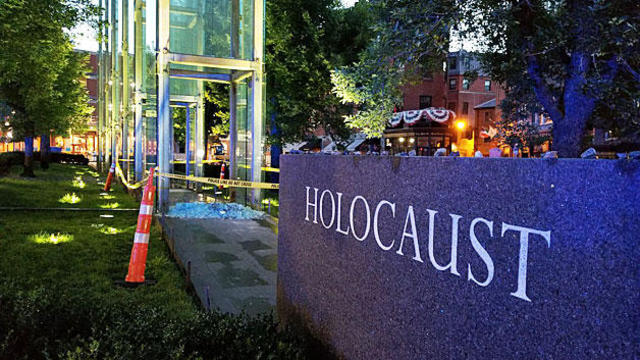
According to ADL's annual Audit of Antisemitic Incidents, Massachusetts had the fifth most incidents in the country last year, up a shocking 189 percent over 2022.
"It's the golden goose," said Rooney of Boston's commercial property taxes, which provides a large percentage of the city's annual revenue.
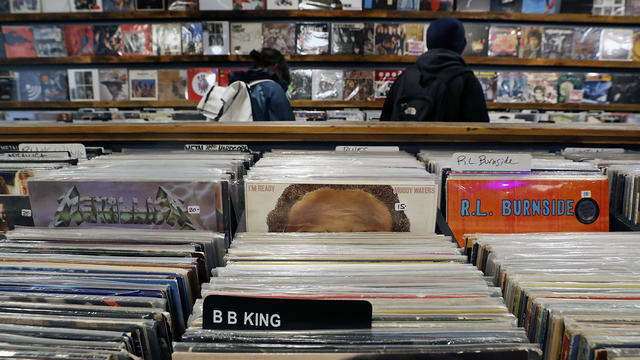
April 20, 2024 is Record Store Day. See which record shops in Massachusetts are participating.
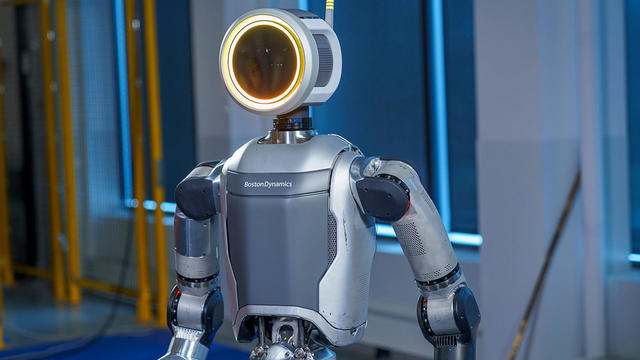
Boston Dynamics' latest robot is ready to "exceed human capabilities," the company says.
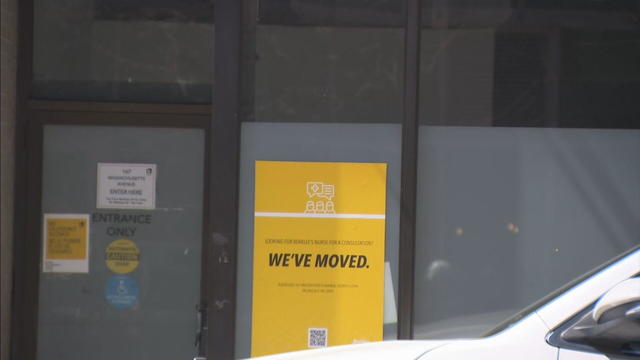
Rising costs are forcing small businesses located on Boston's Massachusetts Avenue to close.
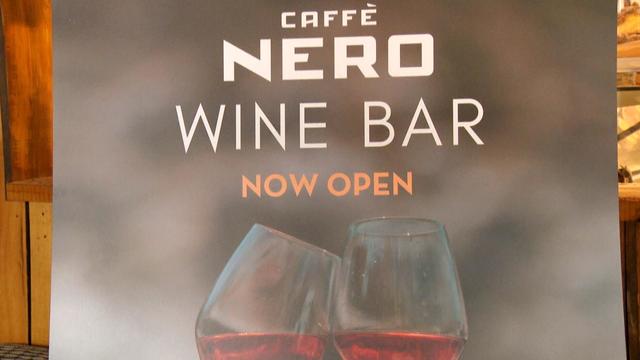
Boston-based box wine brand Alileo teamed up with Caffe Nero to launch a coffee and wine experience in Massachusetts.
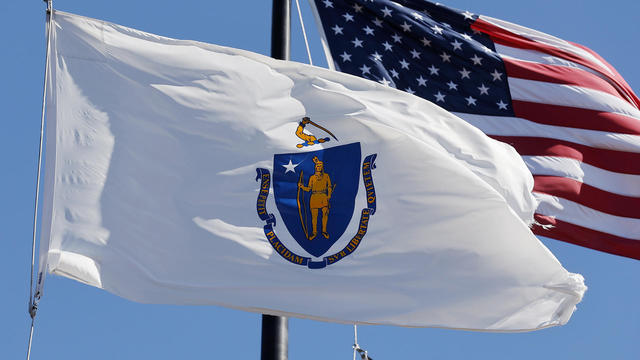
Today is Patriots' Day in Massachusetts. Here's what to know about the celebrations and what's open and closed for the holiday.
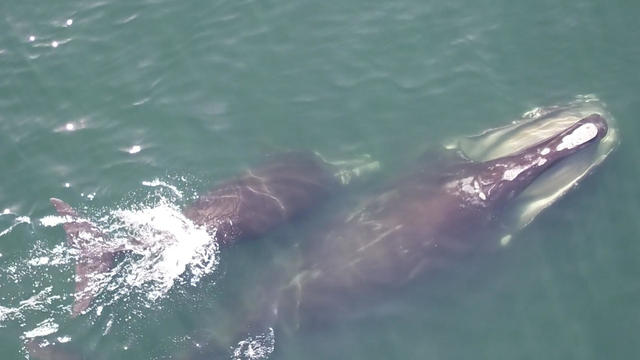
Researchers spotted a 37-year-old right whale mother named Wolf and her calf off the coast of Massachusetts.
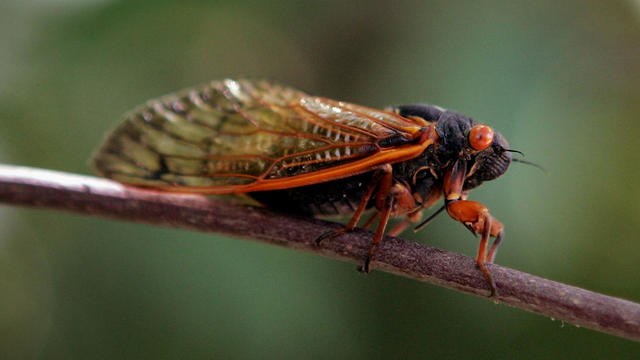
The 2024 cicada broods will not be emerging in Massachusetts - but the buzzing bugs are set to appear here in 2025.
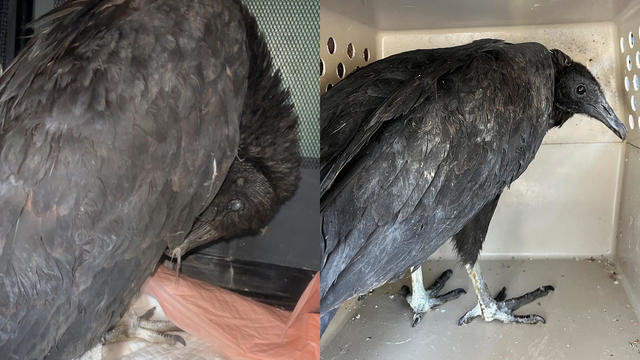
A pair of vultures thought to be "actively dying" actually had too much to drink, wildlife rescuers in Connecticut say.

A fluffy pile of golden retrievers took over the Boston Common in memory of Spencer the marathon dog.

The thick fog made for an eerie sight as the Mayflower II crossed the Cape Cod Canal.
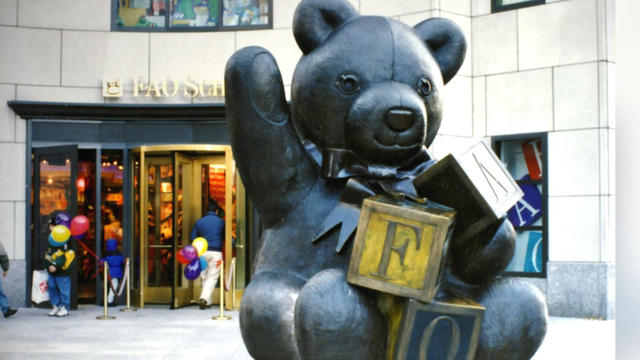
Robert Shure is the talented sculptor behind the FAO Schwartz teddy bear, the Cy Young memorial and the Massachusetts Fallen Firefighters Memorial.

Ming Tsai demonstrates how to cook a traditional Chinese street food - Ming's bings.
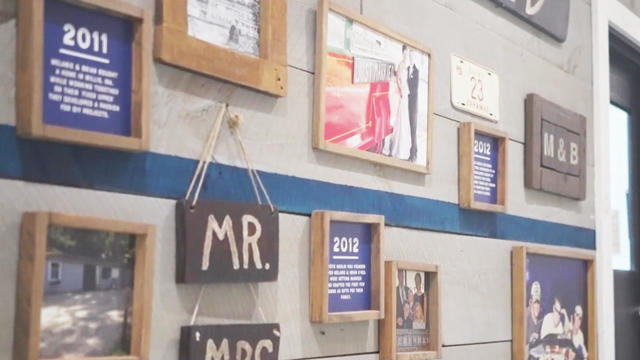
Founded out of love, Rustic Marlin is a home décor and lifestyle brand with a unique origin story in Massachusetts.
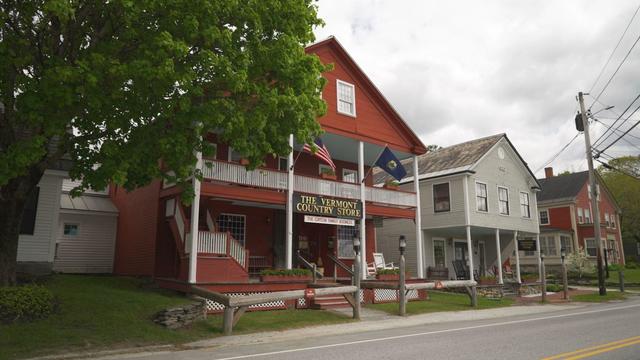
The Vermont Country Store has since become an iconic destination for locals and tourists alike.
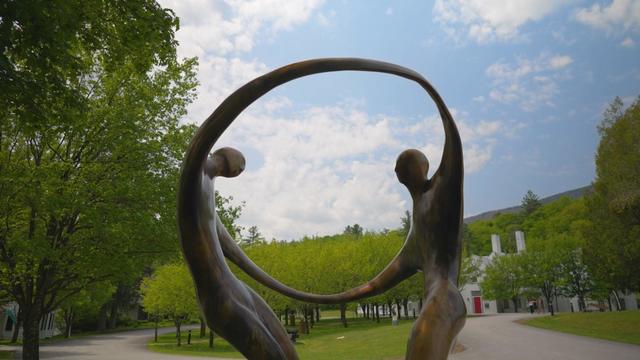
Creating an inviting environment for the community to meet, enjoy and participate in the arts
There are plenty of fun and exciting events this weekend to celebrate Spring and the end of April!
There is huge hope among fans for this new era of the New England Patriots.
The 2B Alleyway off Boylston Street, that's been full of Emerson College student demonstrators since Sunday night, now sits empty.
Many international students looking for jobs in Provincetown can't get cleared to work.
Students are asking colleges to divest - or withhold money - from the Israeli military.
Michael Hurley says the New England Patriots made the right pick with Drake Maye at number 3.
In his new role as an NFL Draft analyst, former Patriots head coach Bill Belichick wasted no time critiquing his old team's new quarterback, Drake Maye.
Drake Maye was rather excited when he sat down for a virtual meeting with Patriots reporters on Thursday night. And that's putting it mildly.
The Patriots are hoping that they have their new franchise quarterback in Drake Maye, whom they drafted third overall Thursday night at the 2024 NFL Draft.
Sitting at No. 3 overall behind two quarterback-needy teams, the New England Patriots didn't really have the benefit of first choice when their time came to make their pick. But that's something they were comfortable with.