CBS News Live
CBS News Boston: Local News, Weather & More
CBS News Boston is your streaming home for breaking news, weather, traffic and sports for the Boston area and beyond. Watch 24/7.
Watch CBS News

A greater Boston starts here
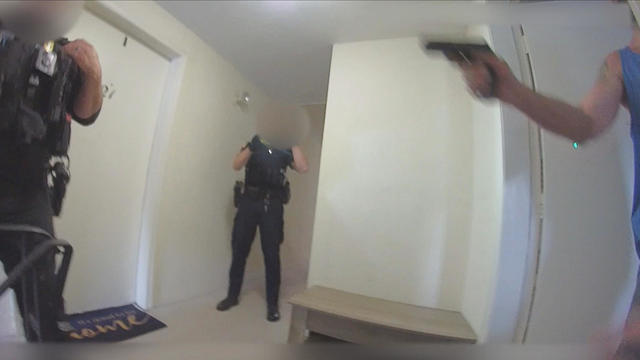
Police bodycam video shows the moments before officers shot and killed a man who pointed a gun at them in Raynham on Tuesday.

There are big plans to change the Mass Pike in Allston where the highway takes a dramatic sweeping turn.
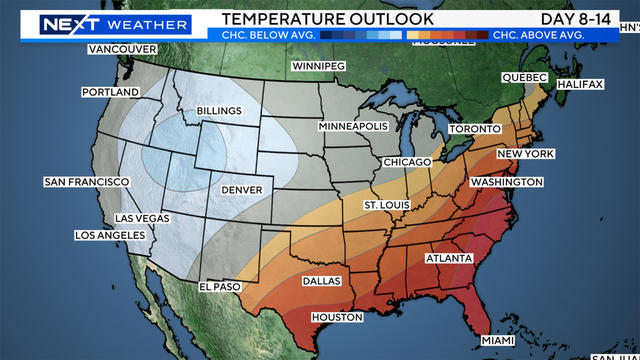
May is a month of significant weather gains in Massachusetts.
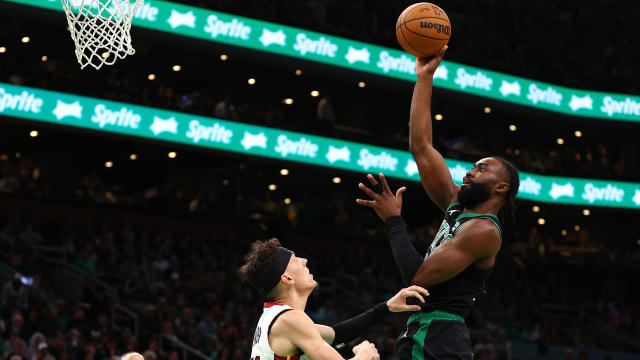
The Boston Celtics did not mess around Wednesday night and finished off their first-round playoff series with a blowout win over the Miami Heat in Game 5.
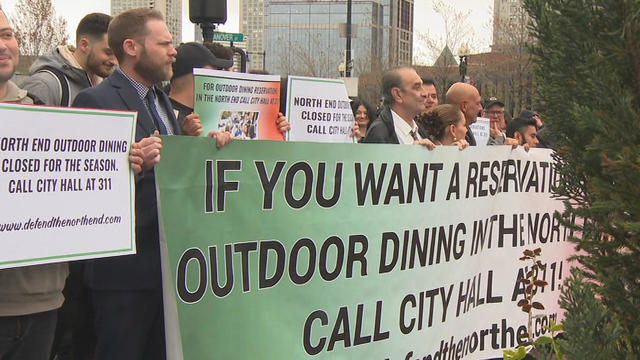
May 1 marks the start of the outdoor dining season in every Boston neighborhood except the North End.
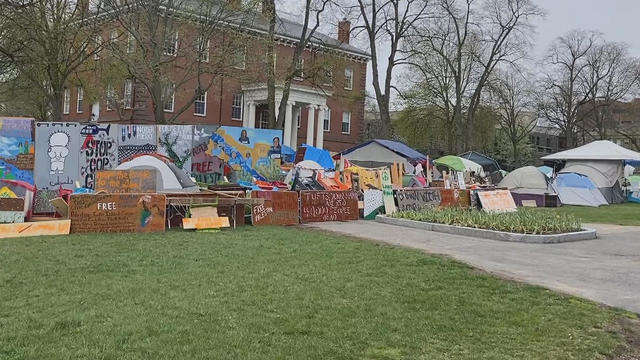
Leaders at Tufts University are pleading with pro-Palestinian demonstrators to end their protests peacefully before commencement. Dozens of students say if police step in, they will boycott graduation.
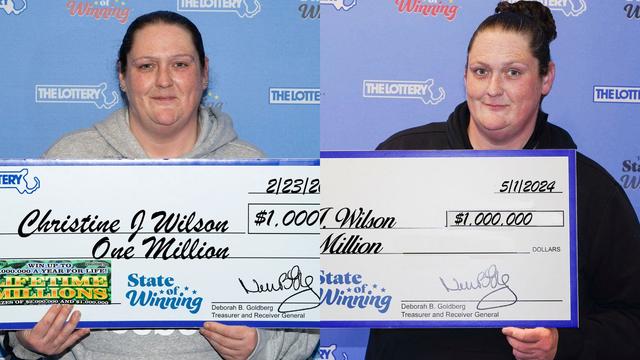
A Massachusetts woman is on quite the lucky streak, winning a big lottery prize for the second time in 10 weeks.
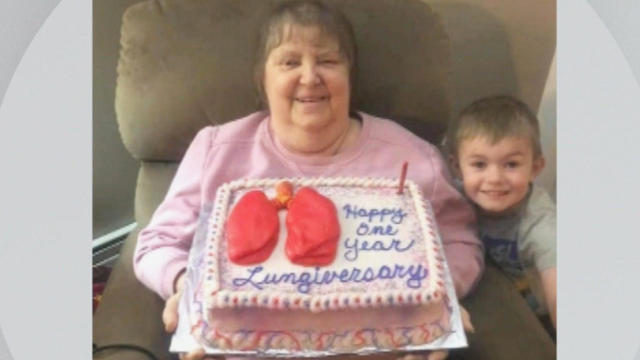
Thousands of families around the country have been left scrambling without funds after the National Foundation for Transplants closed unexpectedly.
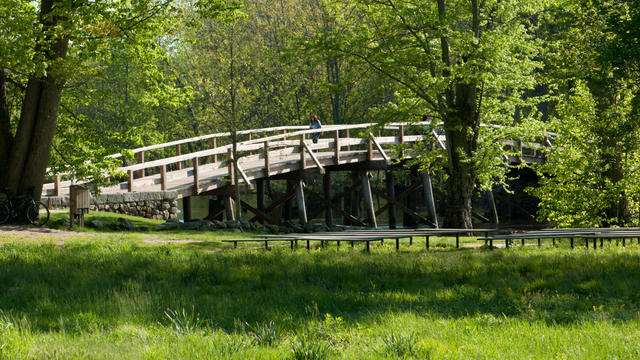
The National Trust for Historic Preservation is out with its annual list of most endangered places, and Minuteman National Park and Walden Pond made the list.
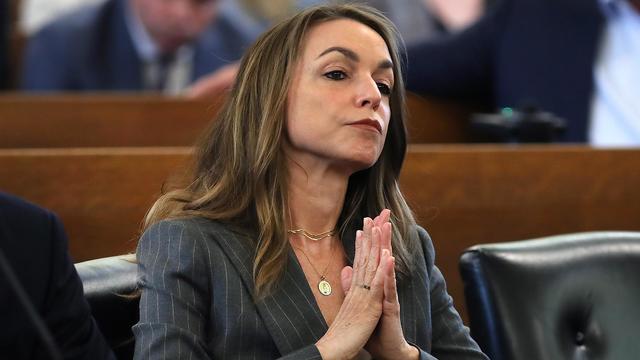
A look at the timeline of events in Karen Read's high-profile murder trial.
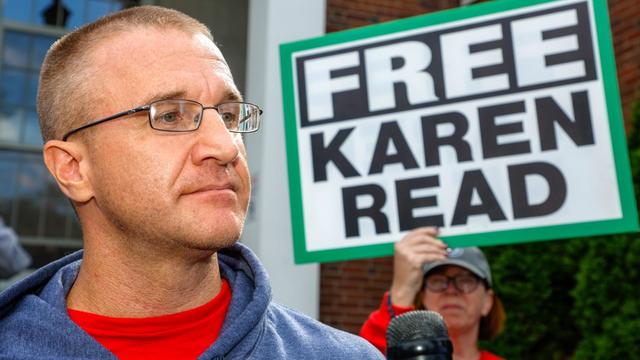
Aidan Kearney, the blogger known as "Turtleboy," is a key figure in the Karen Read trial.
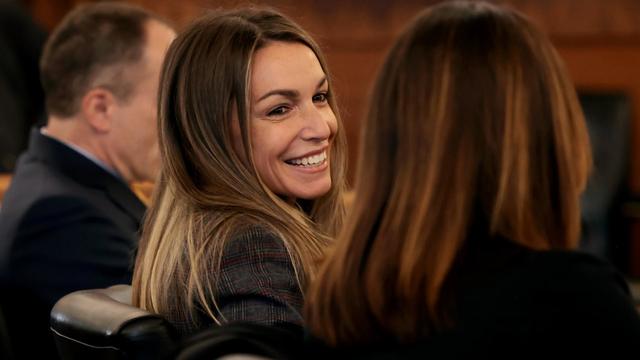
Karen Read is charged with killing her boyfriend, Boston police officer John O'Keefe.
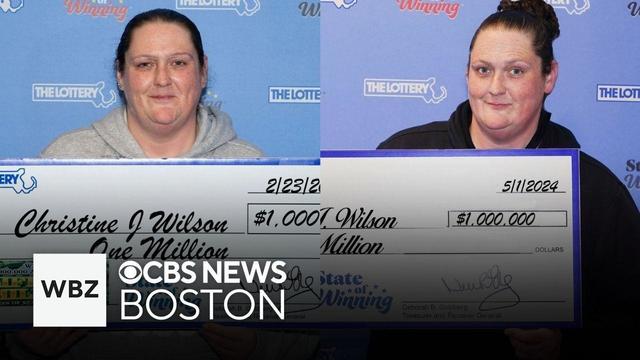
A Massachusetts woman is on quite the lucky streak, winning a big lottery prize for the second time in 10 weeks.
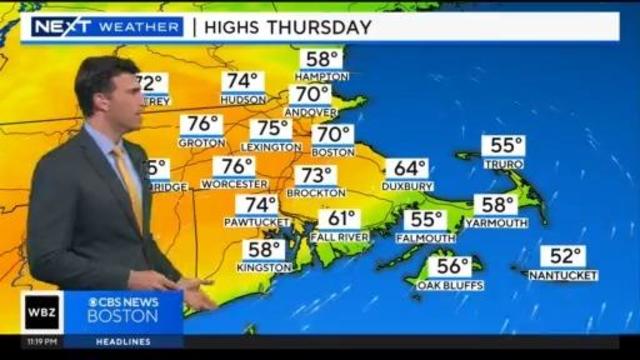
Eric Fisher has an updated weather forecast.
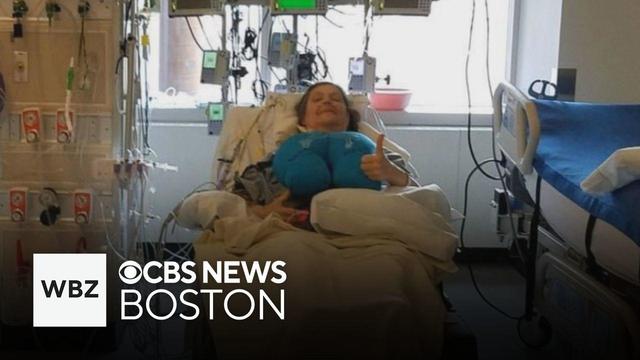
Thousands of families around the country have been left scrambling without funds after the National Foundation for Transplants closed unexpectedly. WBZ-TV’s Tammy Mutasa reports.
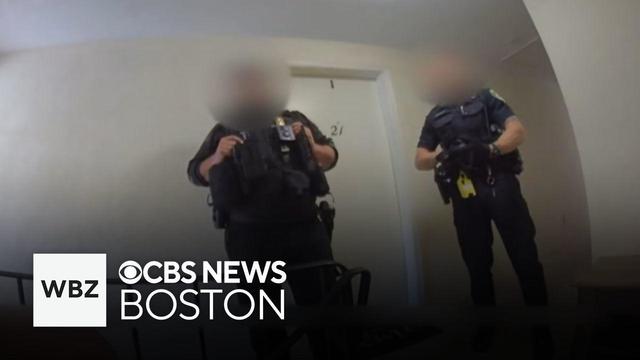
Police bodycam video shows the moments before a man pointed a gun at Raynham police officers. WBZ-TV’s Brandon Truitt reports.
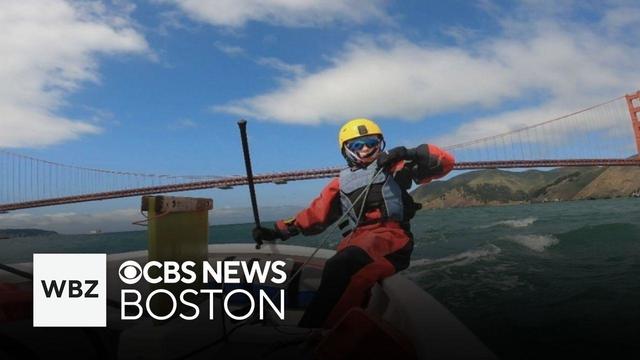
Briggs Kossman is taking on the 4-mile trip and his mom said he's endured relentless winds and lots of seals.
A Townsend woman was scammed into believing a famous actor was in love with her. Then the case took on a potentially more sinister turn.

State contracts obtained by the I-Team show taxpayers are paying tens of millions of dollars to hotels for rooms and food.
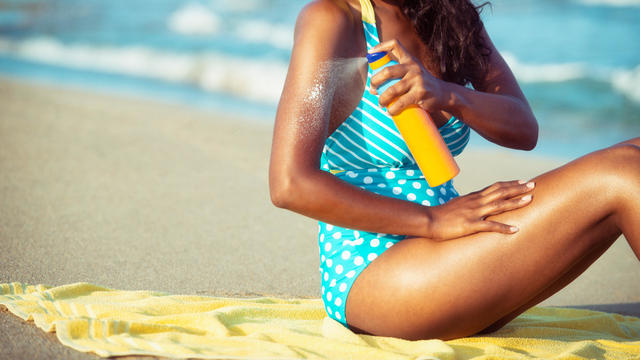
A new survey finds that young Americans are falling prey to skin cancer myths.
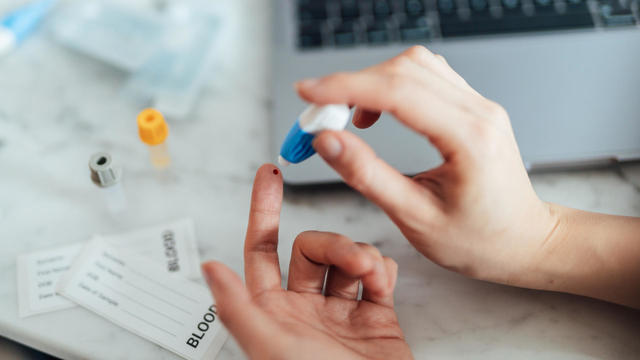
Scientists in China have created a test using artificial intelligence that can detect cancer using one spot of dried blood.
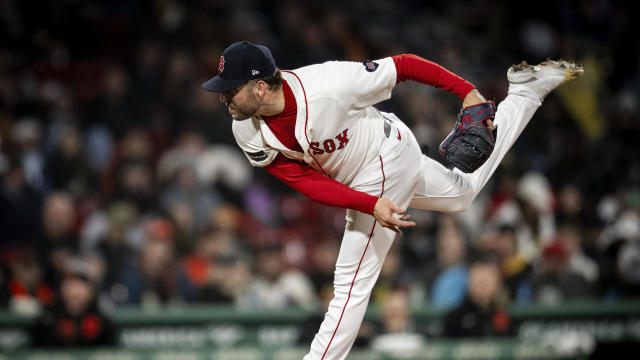
Kutter Crawford pitched a career-high seven innings, Connor Wong had three hits and the Boston Red Sox beat the San Francisco Giants 6-2 on Wednesday night.
The Boston Celtics did not mess around Wednesday night and finished off their first-round playoff series with a blowout win over the Miami Heat in Game 5.
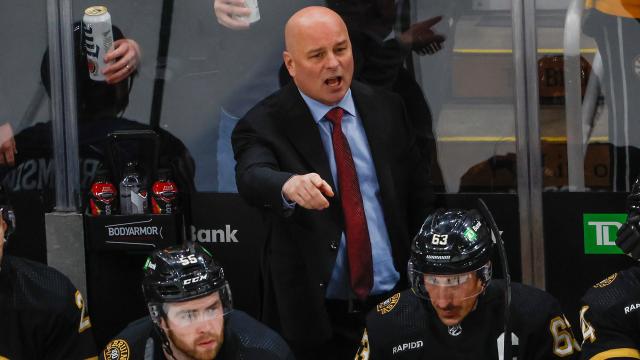
"I'm still pissed off from last night. Just being honest."
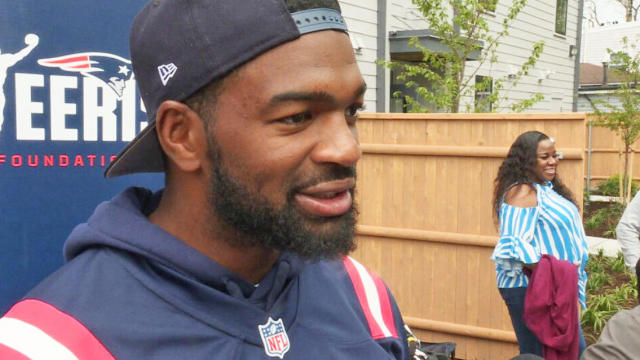
Jacoby Brissett intends to continue to be the excellent teammate and mentor that he's been on his journey through five NFL franchises, but the 31-year-old is not looking to simply fade into the background now that Drake Maye has been drafted by the Patriots.
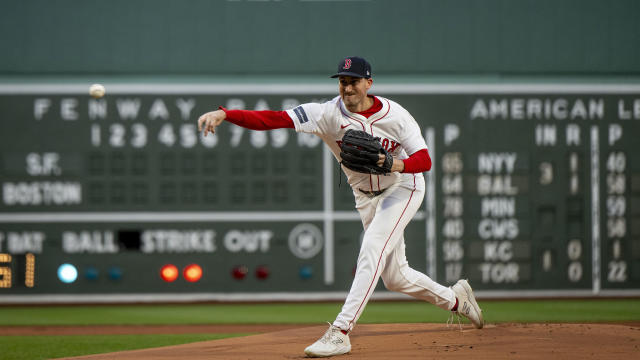
Boston's starting pitchers have been keeping opponents off the scoreboard to start the 2024 season.
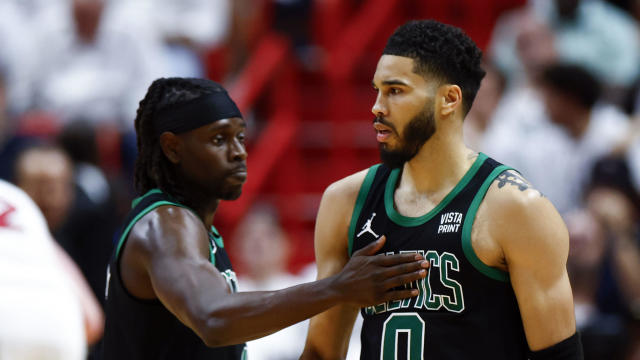
The Celtics can't mess around Wednesday night and need to close out the Heat in Game 5.
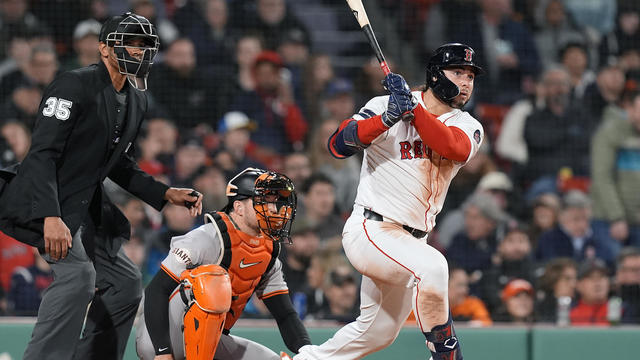
Rookie Wilyer Abreu had a single, double and his first career triple, Cooper Criswell pitched five scoreless innings and the Boston Red Sox beat the San Francisco Giants 4-0 on Tuesday night for their major league-leading sixth shutout.
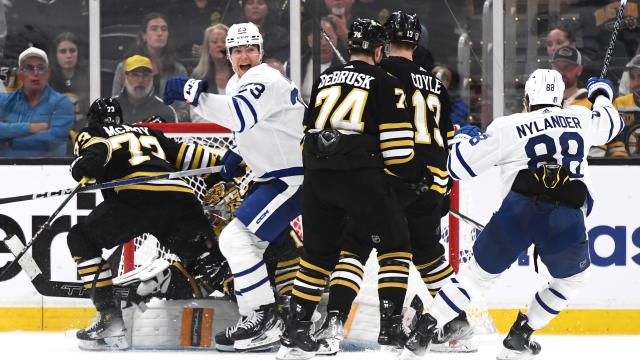
The Bruins could have closed out their first-round series on Tuesday night. Instead, they're heading back to Toronto after an overtime loss in Game 5.
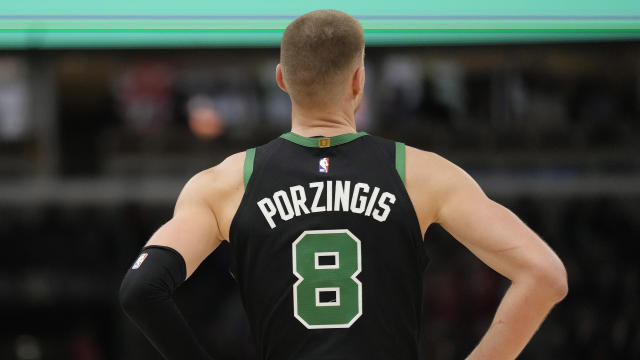
Kristaps Porzingis has already been ruled out for Wednesday night's Game 5 between the Celtics and the Heat, and the Boston big man is likely going to miss at least a few more games with the calf sprain he suffered Monday night.
There are big plans to change the Mass Pike in Allston where the highway takes a dramatic sweeping turn.
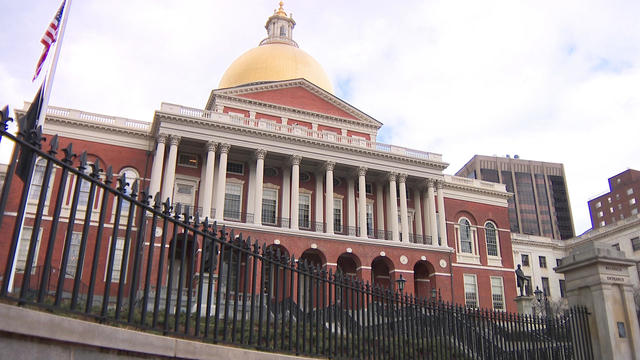
Massachusetts lawmakers are considering a bill that proposes prosecuting 18, 19, and 20-year-olds as juveniles.
Ever since TikTok Shop launched last year, users started buying products directly through the app, and now it means millions of dollars for small and medium sized business all over the country.

The Old Schwamb Mill is the oldest continuously operated mill in the United States.
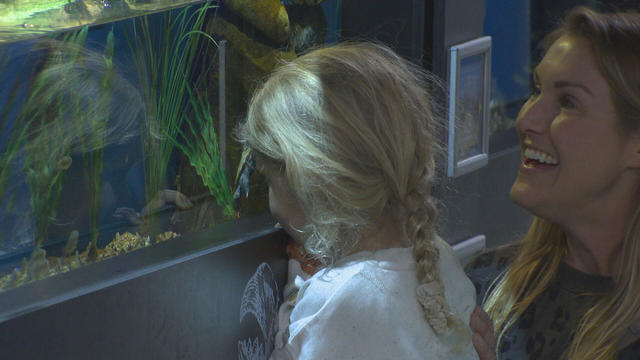
In Falmouth, just down the road from the ferry that heads to Martha's Vineyard, is an aquarium that happens to be a piece of history on Cape Cod.

Ice cream lovers are coming from all over to Holy Cow Ice Cream Cafe for their homemade ice cream and unique flavors.
A new survey finds that young Americans are falling prey to skin cancer myths.
Scientists in China have created a test using artificial intelligence that can detect cancer using one spot of dried blood.
A Massachusetts non-profit is not only keeping families healthy, but also making sure they have what they need for day-to-day life.
Dr. Mallika Marshall answers a viewer's question about whether or not someone over 65 should still get a pap smear.
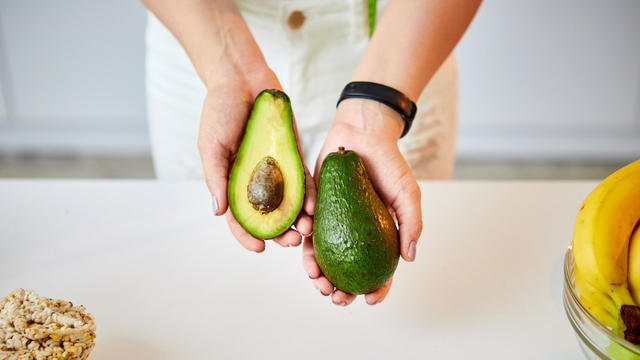
A new study looked at whether or not eating more avocados could help people stave off Type 2 diabetes.
A Townsend woman was scammed into believing a famous actor was in love with her. Then the case took on a potentially more sinister turn.
State contracts obtained by the I-Team show taxpayers are paying tens of millions of dollars to hotels for rooms and food.
A fourth-grade teacher at an elementary school in Cambridge is facing child rape charges.
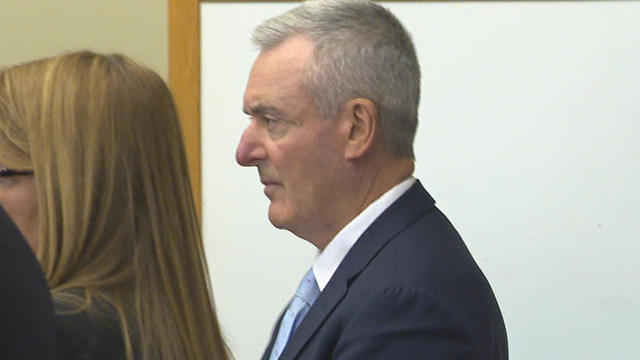
William Foley Jr., a five-time drunk driver who lost his license after a fatal crash in 2001, is back behind bars after an I-Team investigation.
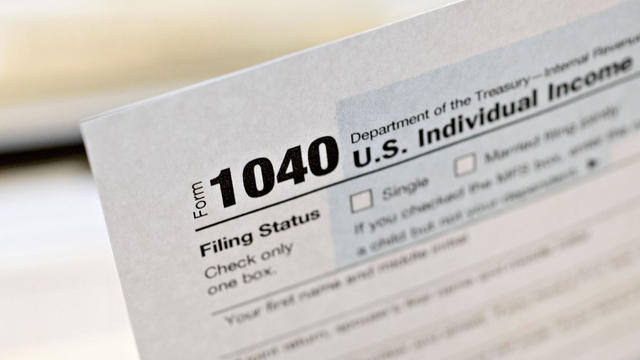
The IRS Criminal Investigation unit helps go after violent criminals, including some right here in Boston.
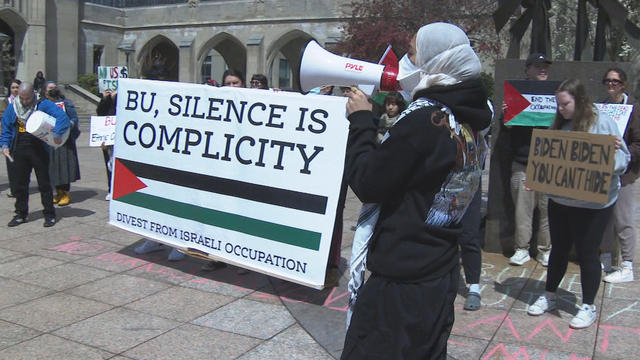
Surveys have found that support for Israel is "fairly consistent," regardless of campus protests.
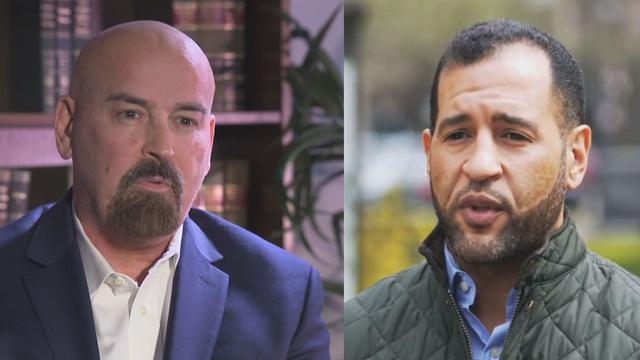
Quincy City Council President Ian Cain and Swansea attorney John Deaton are seeking the Republican nomination to run against Sen. Elizabeth Warren.
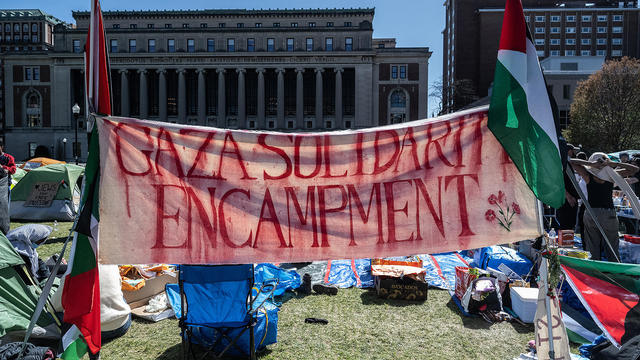
Pro-Palestinian students have accelerated their protests of the Israel-Hamas war. But are the they helping or hurting their cause?
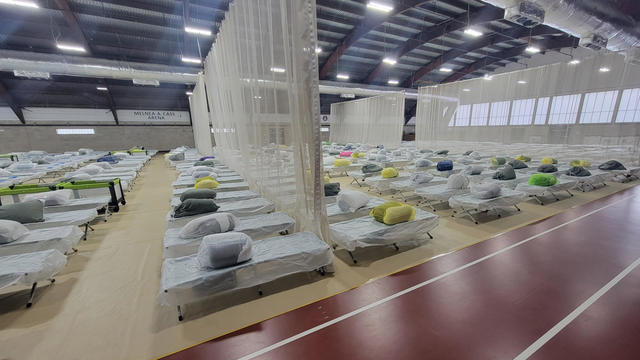
Massachusetts State Sen. Peter Durant weighed in on budget concerns in Massachusetts.
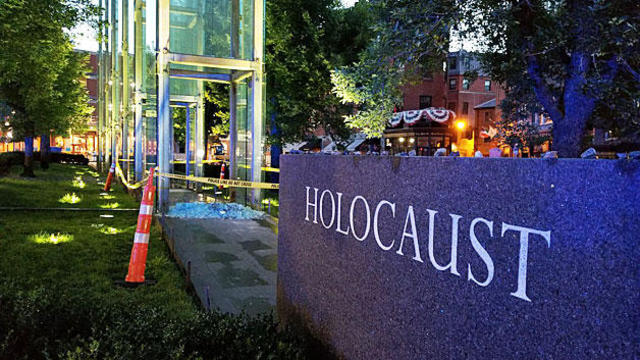
According to ADL's annual Audit of Antisemitic Incidents, Massachusetts had the fifth most incidents in the country last year, up a shocking 189 percent over 2022.
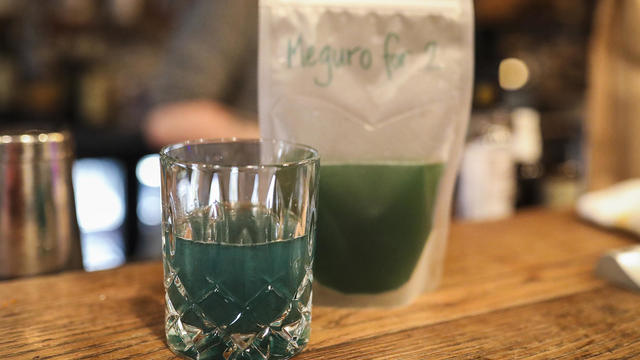
You can once again grab a cocktail to go in Massachusetts.
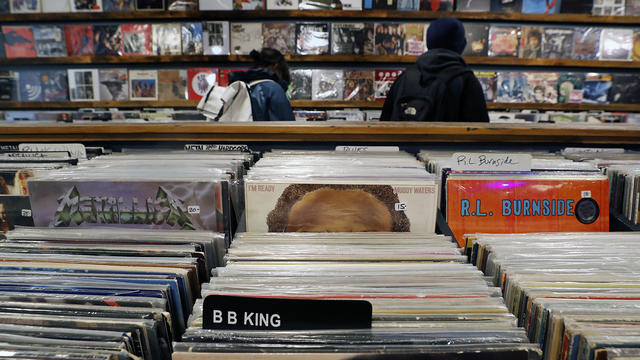
April 20, 2024 is Record Store Day. See which record shops in Massachusetts are participating.
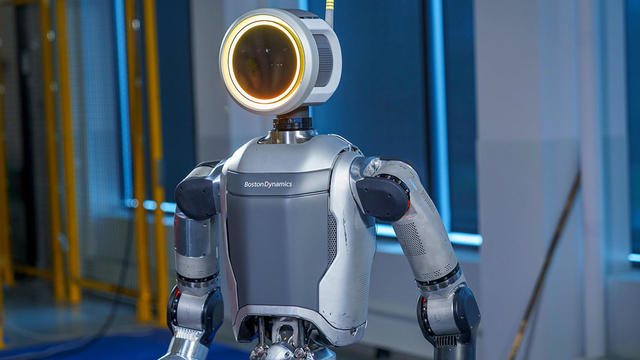
Boston Dynamics' latest robot is ready to "exceed human capabilities," the company says.
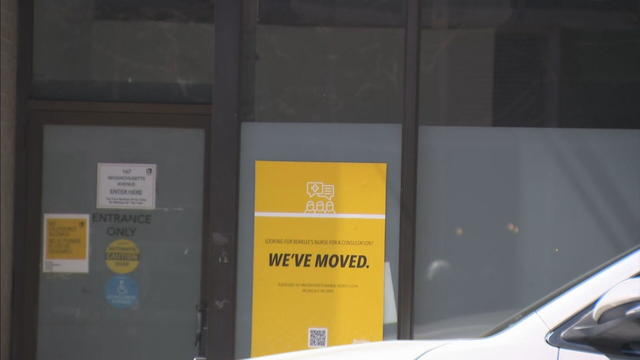
Rising costs are forcing small businesses located on Boston's Massachusetts Avenue to close.
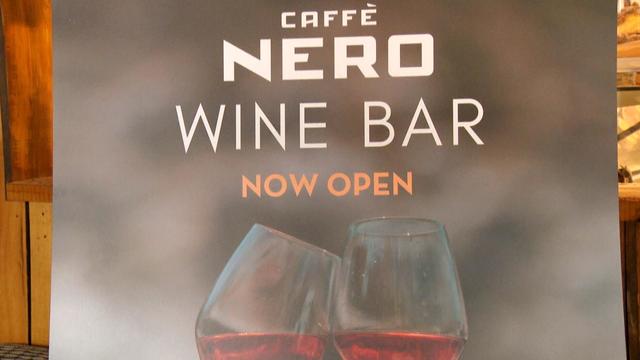
Boston-based box wine brand Alileo teamed up with Caffe Nero to launch a coffee and wine experience in Massachusetts.
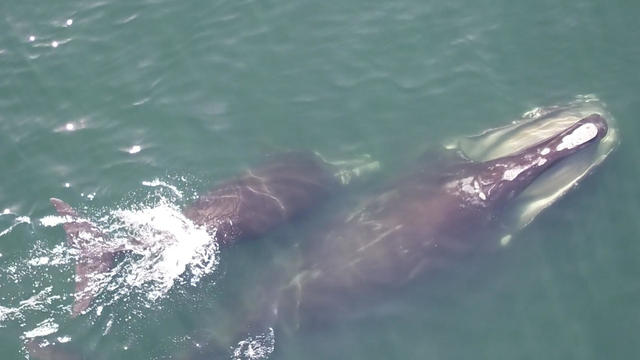
Researchers spotted a 37-year-old right whale mother named Wolf and her calf off the coast of Massachusetts.
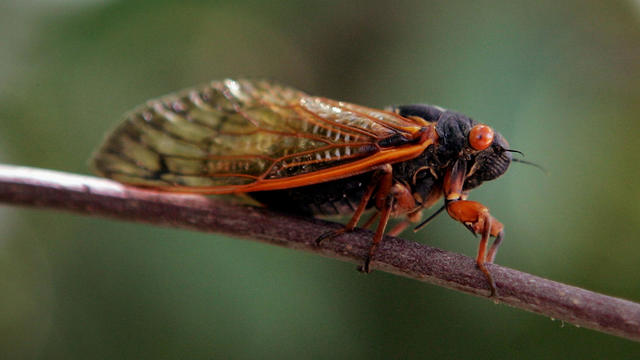
The 2024 cicada broods will not be emerging in Massachusetts - but the buzzing bugs are set to appear here in 2025.
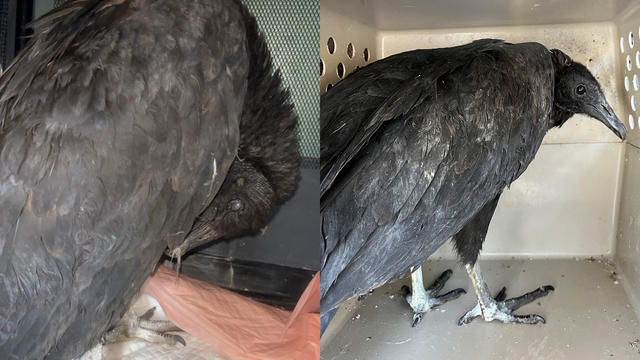
A pair of vultures thought to be "actively dying" actually had too much to drink, wildlife rescuers in Connecticut say.

A fluffy pile of golden retrievers took over the Boston Common in memory of Spencer the marathon dog.
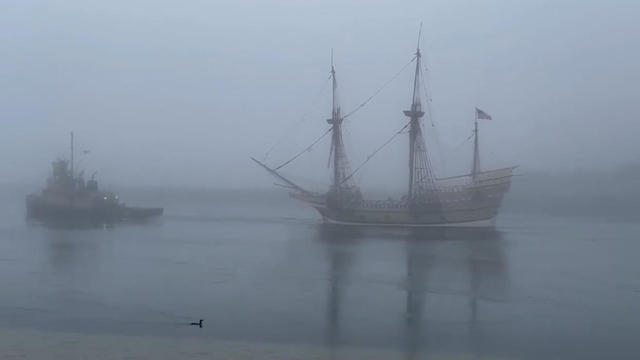
The thick fog made for an eerie sight as the Mayflower II crossed the Cape Cod Canal.
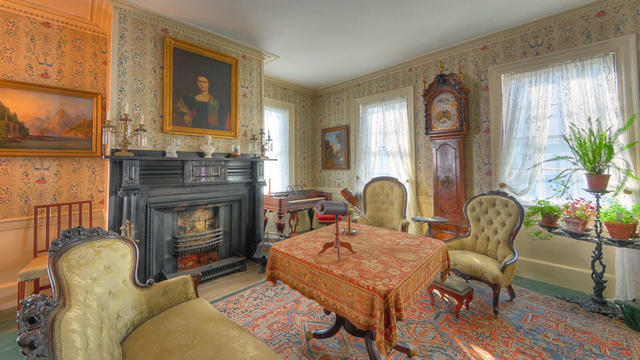
The Strawbery Banke Museum in Portsmouth offers visitors the chance to explore more than 350 years of New Hampshire's history.

Prezza mixologist Craig Carpenter has a unique spin on Manhattans, including a bottle of bourbon with a meaningful backstory.
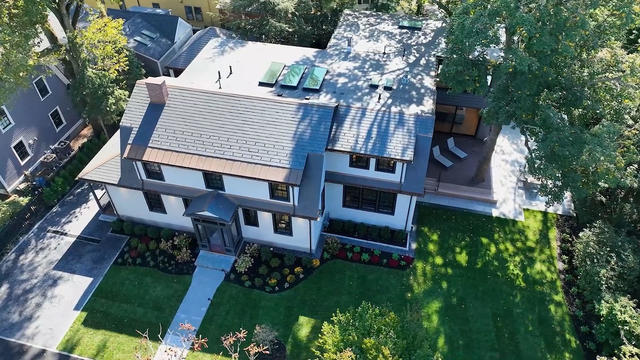
Take a tour of a stunning property near Harvard Square mixing modern design with quiet luxury.
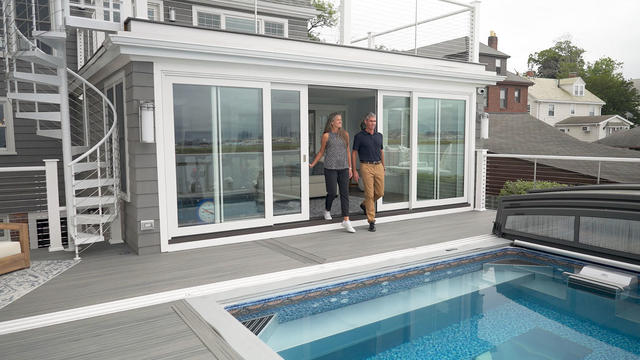
See what happens when a husband-and-wife pilot couple build their dream home overlooking Logan Airport.

When it comes to updating a house, it all starts with color.
Thousands of families around the country have been left scrambling without funds after the National Foundation for Transplants closed unexpectedly.
Leaders at Tufts University are pleading with pro-Palestinian demonstrators to end their protests peacefully before commencement. Dozens of students say if police step in, they will boycott graduation.
The National Trust for Historic Preservation is out with its annual list of most endangered places, and Minuteman National Park and Walden Pond made the list.
There are big plans to change the Mass Pike in Allston where the highway takes a dramatic sweeping turn.

The Republican congresswoman who wants to force out House Speaker Mike Johnson says she's ready to make her move. But it seems doomed to fail now that Democrats have said they'll kill it.
Kutter Crawford pitched a career-high seven innings, Connor Wong had three hits and the Boston Red Sox beat the San Francisco Giants 6-2 on Wednesday night.
The Boston Celtics did not mess around Wednesday night and finished off their first-round playoff series with a blowout win over the Miami Heat in Game 5.
"I'm still pissed off from last night. Just being honest."
Jacoby Brissett intends to continue to be the excellent teammate and mentor that he's been on his journey through five NFL franchises, but the 31-year-old is not looking to simply fade into the background now that Drake Maye has been drafted by the Patriots.
Boston's starting pitchers have been keeping opponents off the scoreboard to start the 2024 season.