CBS News Live
CBS News Boston: Local News, Weather & More
CBS News Boston is your streaming home for breaking news, weather, traffic and sports for the Boston area and beyond. Watch 24/7.
Watch CBS News

A greater Boston starts here
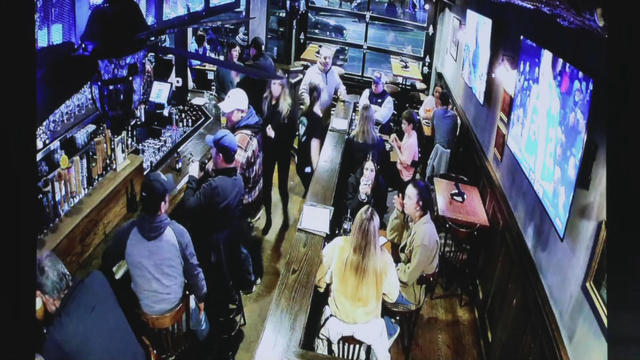
Karen Read's high-profile Massachusetts murder trial continued with surveillance video showing Read with John O'Keefe hours before his death.

The UMass Amherst chancellor said he asked police to intervene after students set up a tent encampment on campus.
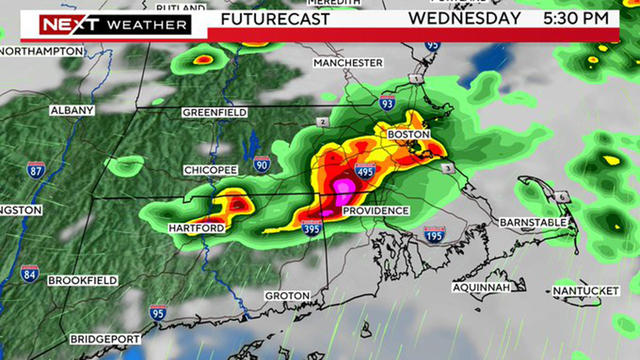
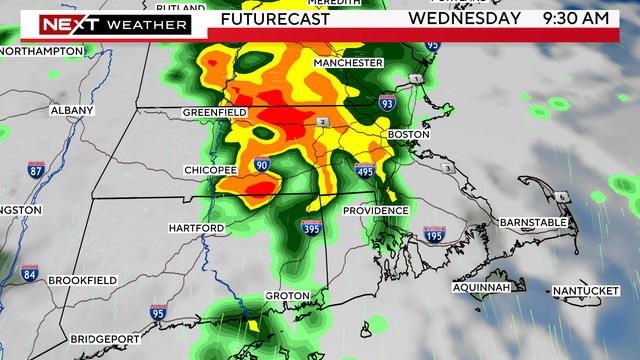
The WBZ Weather Team is issuing a NEXT Weather Alert for the risk of some thunderstorms on Wednesday in Massachusetts.
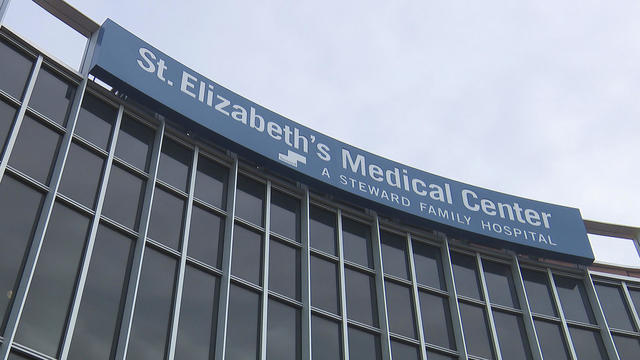
Days after declaring bankruptcy, Steward Health Care is putting all of its U.S. hospitals up for sale.
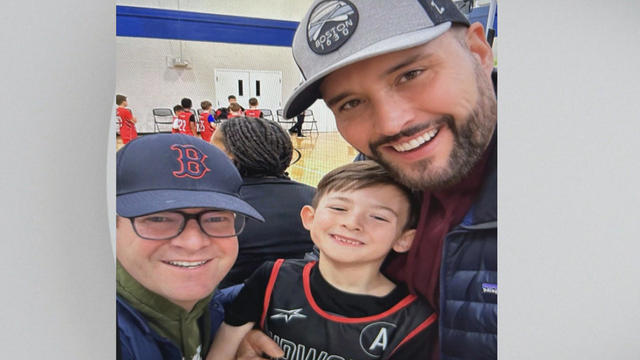
The adoptive father of Harmony Montgomery's seven-year-old brother says his son Jamison is being silenced as a judge limits victim impact statements at the sentencing of Adam Montgomery.
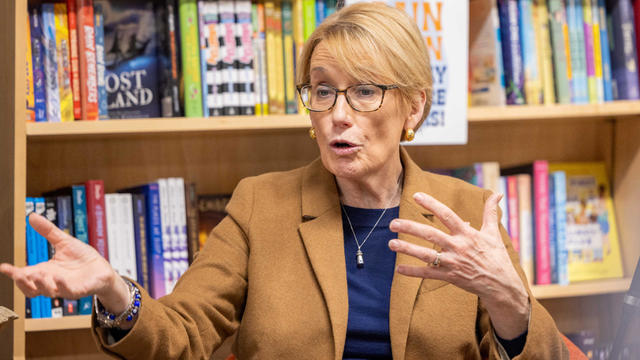
A watchdog group is out with their annual bipartisanship ratings for Congress and Sen. Maggie Hassan (D-New Hampshire) tops the list.

Calling all witches and wizards! Harry Potter: The Exhibition is coming to the Boston area this fall.
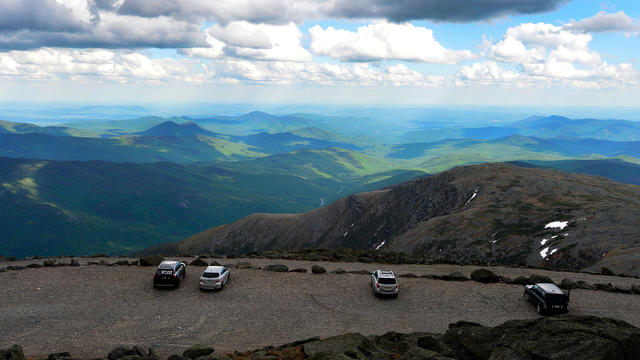
The Mt. Washington Auto Road is opening ahead of schedule for daily use.
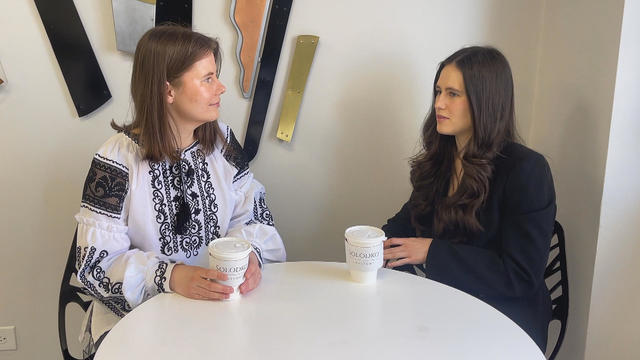
Solodko Bakery offers a taste of Ukraine in Boston.
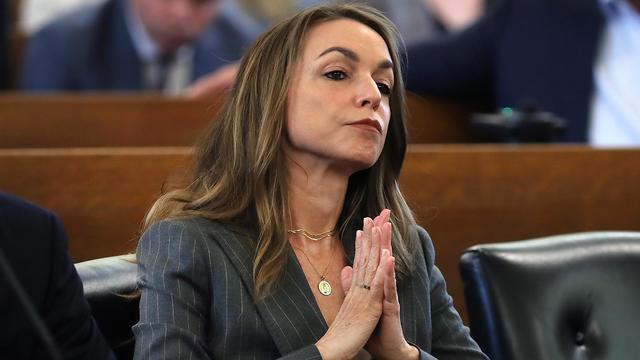
A look at the timeline of events in Karen Read's high-profile murder trial.
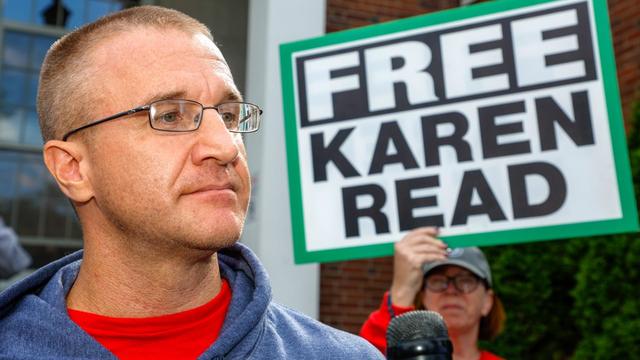
Aidan Kearney, the blogger known as "Turtleboy," is a key figure in the Karen Read trial.
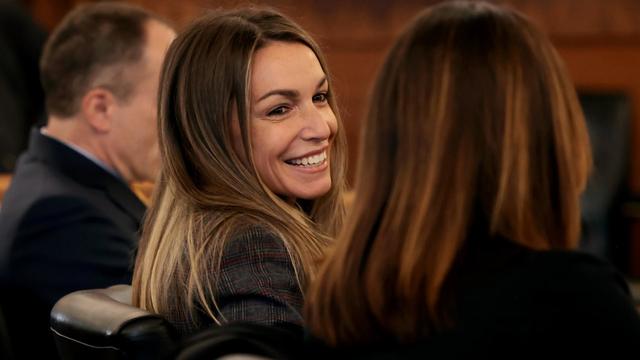
Karen Read is charged with killing her boyfriend, Boston police officer John O'Keefe.

WBZ-TV's Lisa Hughes and Eric Fisher have the latest news and weather.
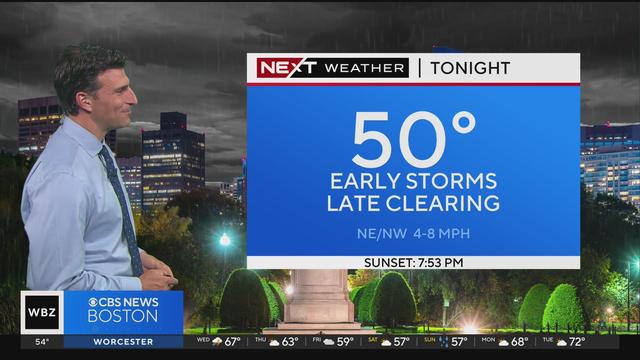
Eric Fisher has your latest weather forecast.

A watchdog group is out with their annual bipartisanship ratings for Congress and Sen. Maggie Hassan (D-New Hampshire) tops the list.
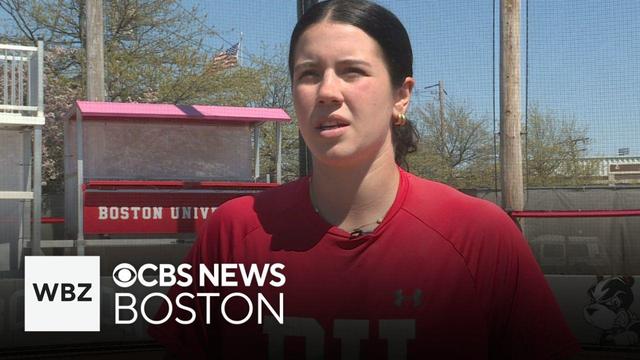
The Boston University softball team is making a habit of rewriting the program's record books. WBZ-TV's Nick Giovanni reports.

"Calling heavily armed police on student political expression is an inherently dangerous choice," said Carol Rose, the executive director of the ACLU of Massachusetts, in a statement. WBZ TV's Laura Haefeli reports.

Massachusetts is paying millions to vendors in the migrant crisis with little oversight on how taxpayer money is being spent
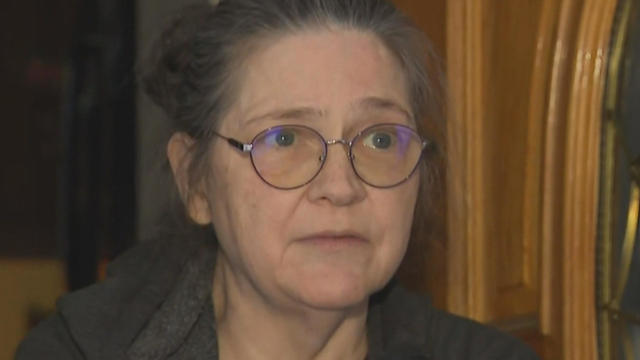
A Townsend woman was scammed into believing a famous actor was in love with her. Then the case took on a potentially more sinister turn.
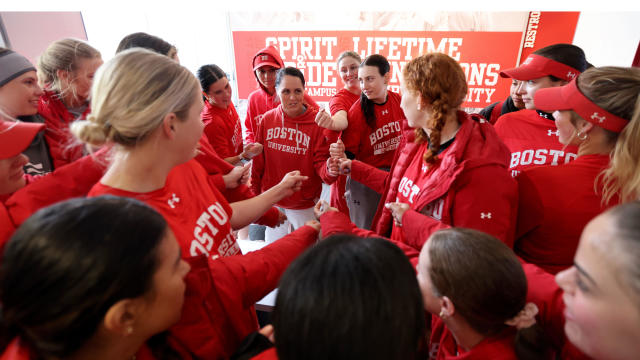
The Boston University softball team is making a habit of rewriting the program's record books.
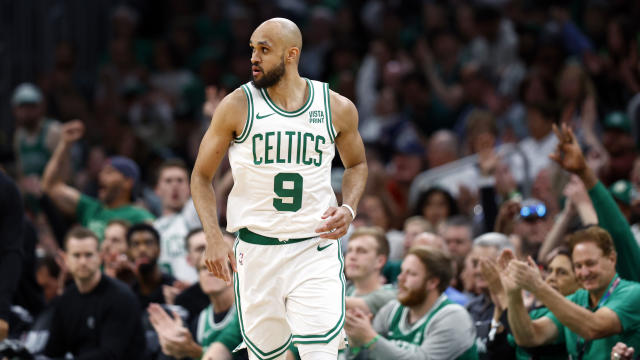
It may seem impossible, but Derrick White continues to get better and better for the Boston Celtics.

he Panthers will once again take the ice without Sam Bennett on Wednesday night when they look to avoid falling into a 2-0 hole to the Bruins. But Florida head coach Paul Maurice believes Bennett's return should come soon.

In Atlanta, the 35-year-old Chris Sale has thus far managed to move past the litany of injuries that had pushed his career to the brink. And on Wednesday night, he'll be facing his former team.

The Celtics have a big void in their lineup due to the absence of Kristaps Porzingis. But that void was hard to notice during Boston's 120-95 victory over the Cavaliers in Game 1 of their second-round playoff series.
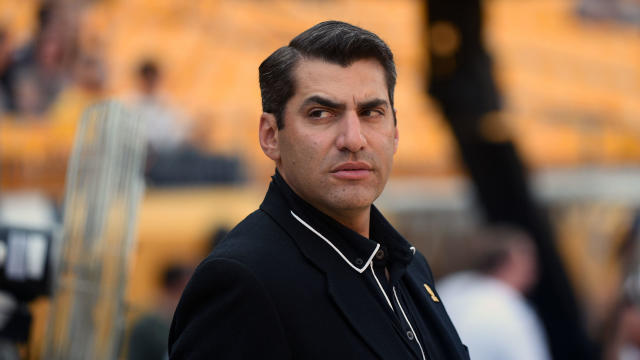
Candidates have been turning down interview opportunities with the Patriots for the team's head of football operations job, but New England has a few people interested in the gig.
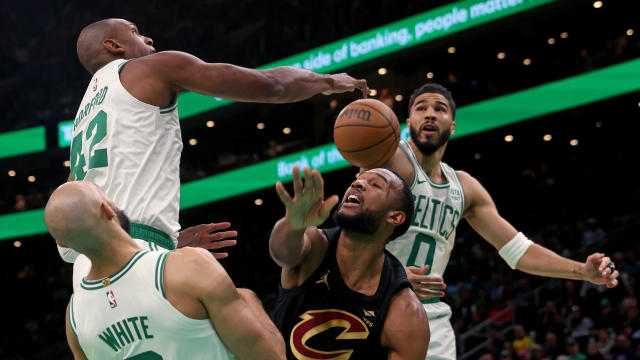
The Celtics defense was locked in Tuesday night, rendering anyone not named Donovan Mitchell a non-factor in a Game 1 win over the Cavaliers.
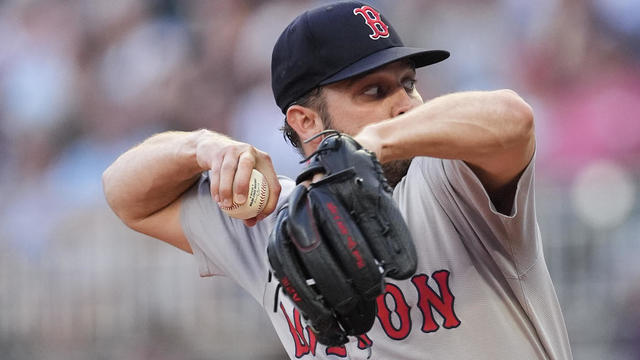
Boston's Kutter Crawford and Atlanta's Reynaldo López each allowed two runs in a matchup of right-handers with ERA's under 2.00.
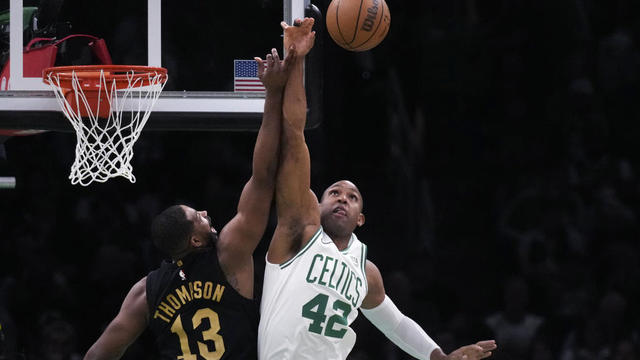
The top-seeded Celtics got an extended break after making quick work of the Heat in the first round. They looked like a rested team, jumping out to a 12-2 lead.

There are big plans to change the Mass Pike in Allston where the highway takes a dramatic sweeping turn.
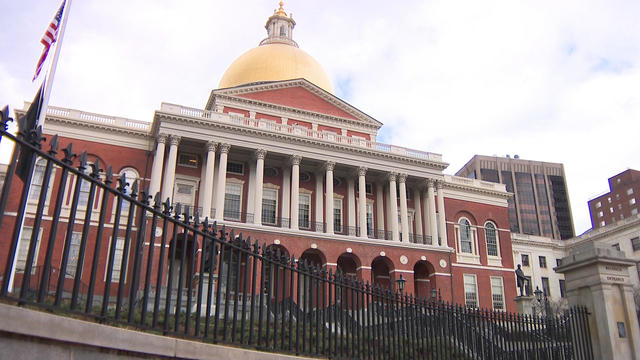
Massachusetts lawmakers are considering a bill that proposes prosecuting 18, 19, and 20-year-olds as juveniles.

Ever since TikTok Shop launched last year, users started buying products directly through the app, and now it means millions of dollars for small and medium sized business all over the country.

Not far off Route 495 in Westford, there's a place that will make you forget all about the hustle and bustle of life.

The Old Schwamb Mill is the oldest continuously operated mill in the United States.
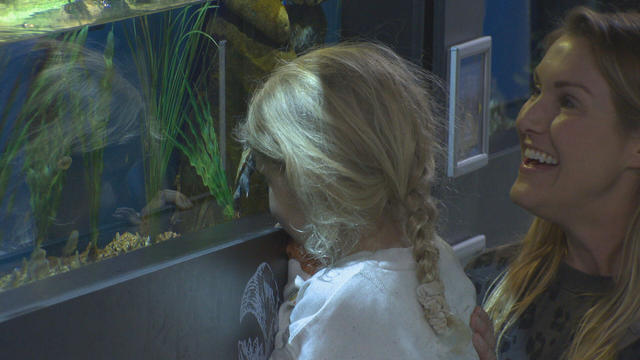
In Falmouth, just down the road from the ferry that heads to Martha's Vineyard, is an aquarium that happens to be a piece of history on Cape Cod.

Trying to be a "perfect" parent could be detrimental to both parents and children.

Alzheimer's disease may be passed down in families more than previously thought.

Panera is phasing out a highly caffeinated selection of lemonade beverages that's at the center of several lawsuits.

Researchers found that the hour before and after pickup from school is the most unhealthy for children's diets.

Every four to five years, the age considered to be "old age" shifts higher another year or so.
Massachusetts is paying millions to vendors in the migrant crisis with little oversight on how taxpayer money is being spent
A Townsend woman was scammed into believing a famous actor was in love with her. Then the case took on a potentially more sinister turn.

State contracts obtained by the I-Team show taxpayers are paying tens of millions of dollars to hotels for rooms and food.
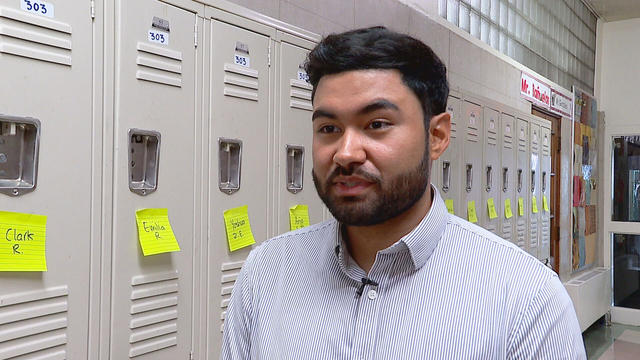
A fourth-grade teacher at an elementary school in Cambridge is facing child rape charges.
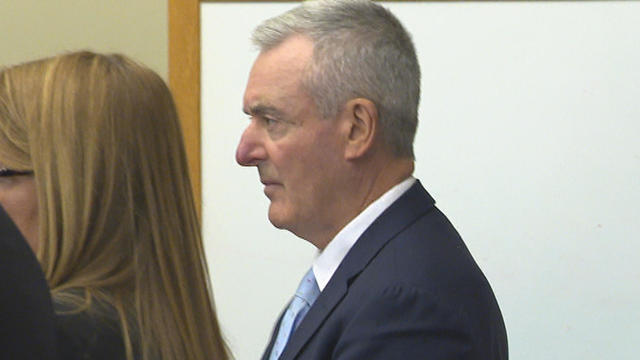
William Foley Jr., a five-time drunk driver who lost his license after a fatal crash in 2001, is back behind bars after an I-Team investigation.

Many residents say they really like Boston, but say the cost of living and high housing prices are taking a toll.
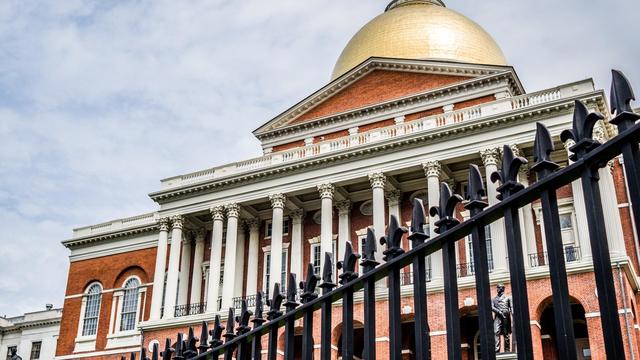
Despite an April revenue haul that exceeded forecasts, there is still anxiety on Beacon Hill about overall revenue shortfalls and economic uncertainty.

Surveys have found that support for Israel is "fairly consistent," regardless of campus protests.
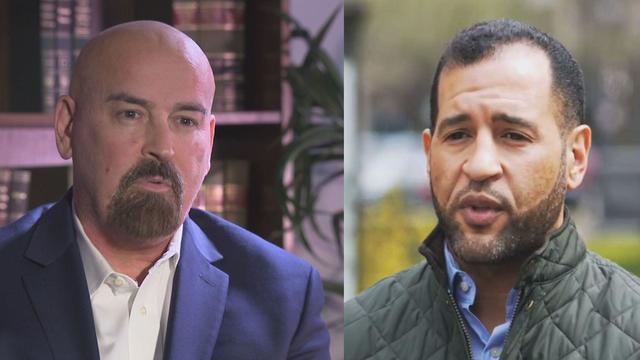
Quincy City Council President Ian Cain and Swansea attorney John Deaton are seeking the Republican nomination to run against Sen. Elizabeth Warren.

Pro-Palestinian students have accelerated their protests of the Israel-Hamas war. But are the they helping or hurting their cause?
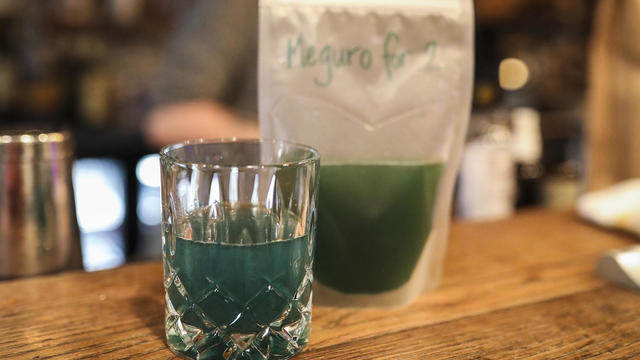
You can once again grab a cocktail to go in Massachusetts.
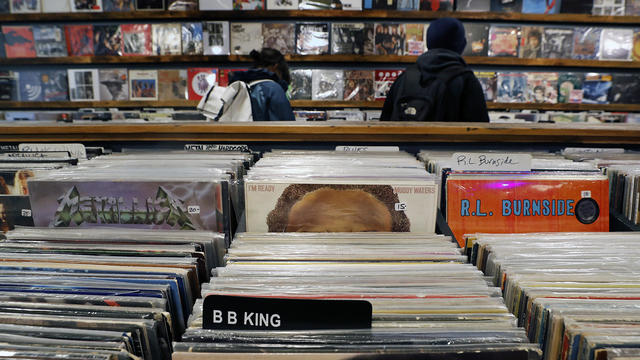
April 20, 2024 is Record Store Day. See which record shops in Massachusetts are participating.

Boston Dynamics' latest robot is ready to "exceed human capabilities," the company says.
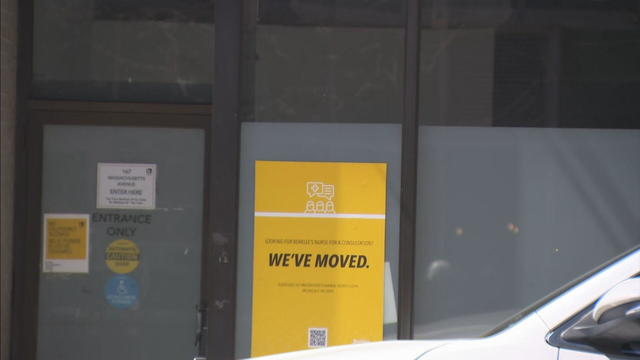
Rising costs are forcing small businesses located on Boston's Massachusetts Avenue to close.

Boston-based box wine brand Alileo teamed up with Caffe Nero to launch a coffee and wine experience in Massachusetts.

Researchers spotted a 37-year-old right whale mother named Wolf and her calf off the coast of Massachusetts.

The 2024 cicada broods will not be emerging in Massachusetts - but the buzzing bugs are set to appear here in 2025.
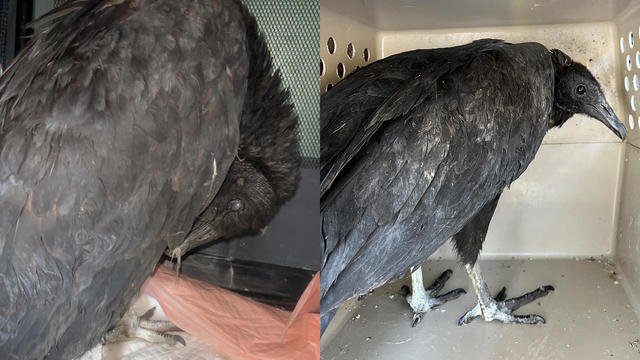
A pair of vultures thought to be "actively dying" actually had too much to drink, wildlife rescuers in Connecticut say.

A fluffy pile of golden retrievers took over the Boston Common in memory of Spencer the marathon dog.

The thick fog made for an eerie sight as the Mayflower II crossed the Cape Cod Canal.

The Coastal Maine Botanical Gardens in Boothbay, Maine offers more than 300 acres of the largest public garden space in New England.

French-inspired home and garden shop Les Fleurs brings the look and feel of Europe to Andover.

John Francis Designs in North Chelmsford is part woodshop and part test kitchen, where one-of-a-kind ravioli molds are made.

David Standridge is the award-winning executive chef of The Shipwright's Daughter in Mystic, Connecticut, a sea-to-table restaurant focusing on sustainable local seafood.

The Strawbery Banke Museum in Portsmouth offers visitors the chance to explore more than 350 years of New Hampshire's history.
A watchdog group is out with their annual bipartisanship ratings for Congress and Sen. Maggie Hassan (D-New Hampshire) tops the list.
The adoptive father of Harmony Montgomery's seven-year-old brother says his son Jamison is being silenced as a judge limits victim impact statements at the sentencing of Adam Montgomery.

The endangered sei whale was caught on the ship's bow when it arrived at the Port of Brooklyn, officials said.
The Mt. Washington Auto Road is opening ahead of schedule for daily use.

Kennedy campaign spokesperson Stefanie Spear said in a statement that "the issue was resolved more than 10 years ago, and he is in robust physical and mental health."
The Boston University softball team is making a habit of rewriting the program's record books.
It may seem impossible, but Derrick White continues to get better and better for the Boston Celtics.
he Panthers will once again take the ice without Sam Bennett on Wednesday night when they look to avoid falling into a 2-0 hole to the Bruins. But Florida head coach Paul Maurice believes Bennett's return should come soon.
In Atlanta, the 35-year-old Chris Sale has thus far managed to move past the litany of injuries that had pushed his career to the brink. And on Wednesday night, he'll be facing his former team.
The Celtics have a big void in their lineup due to the absence of Kristaps Porzingis. But that void was hard to notice during Boston's 120-95 victory over the Cavaliers in Game 1 of their second-round playoff series.