CBS News Live
CBS News Boston: Local News, Weather & More
CBS News Boston is your streaming home for breaking news, weather, traffic and sports for the Boston area and beyond. Watch 24/7.
Watch CBS News

A greater Boston starts here
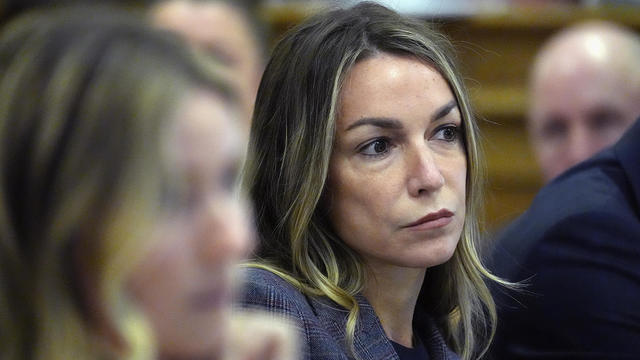
The Karen Read murder trial continued Friday in Dedham, Massachusetts with witness testimony and a visit to the home where John O'Keefe's body was found.
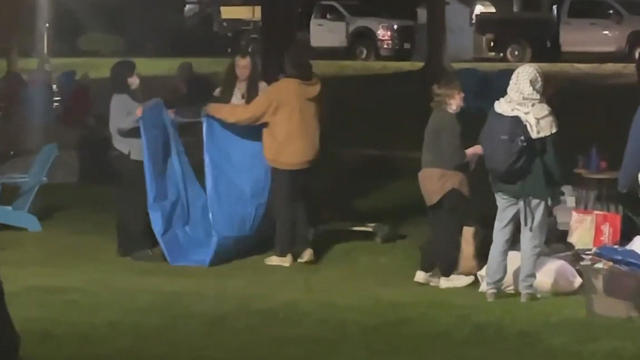
Pro-Palestinian protesters took down their encampment on the Tufts University campus Friday night.

A woman was stabbed multiple times at an apartment complex in East Boston Friday afternoon.
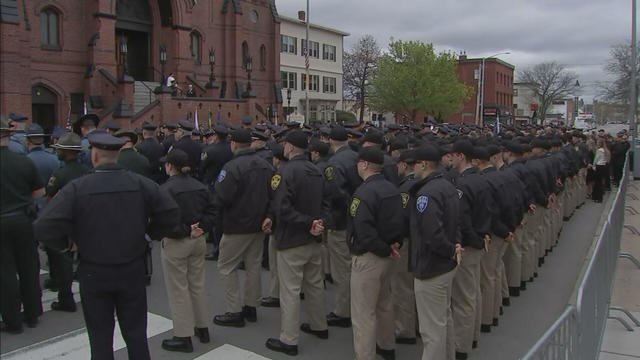
A funeral was held Friday morning for a fallen Massachusetts police officer.

There was a fiery rally on the steps at the Massachusetts Institute of Technology to support Jewish students and counter the pro-Palestinian encampment across the street that's urging the administration to cut ties with Israel.
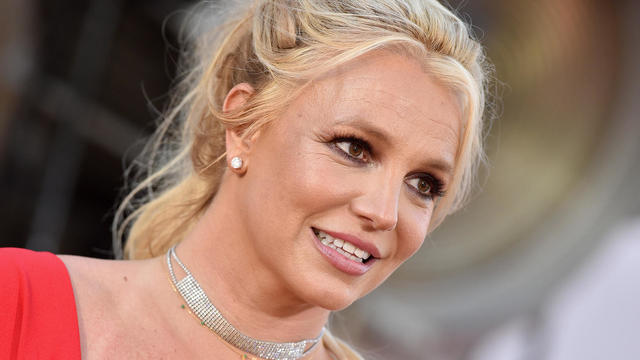
Is Britney Spears moving to Boston?
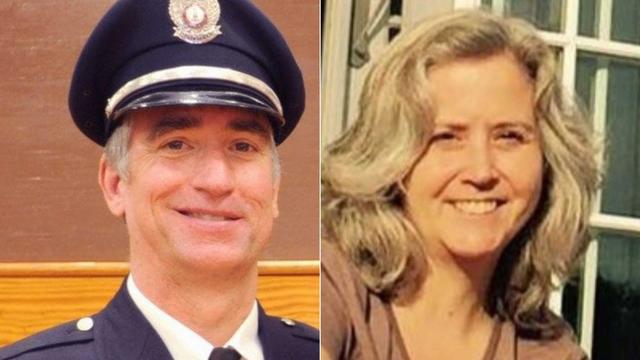
Massachusetts investigators uncover a suspicious web history after Brian Fanion reports his wife Amy's death as a suicide.
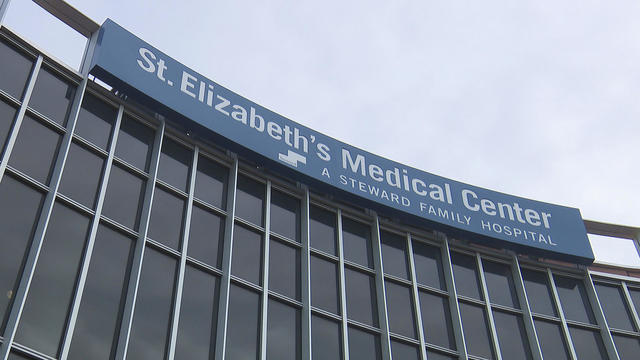
Massachusetts has launched an emergency operations plan in response to the financial problems with the Steward health system that affects several hospitals in the state.
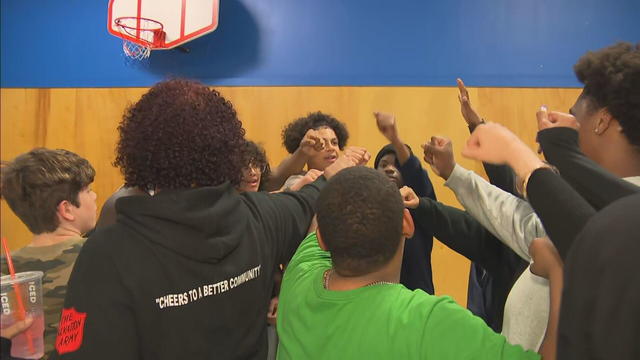
In the wake of a teenager's fatal shooting last week in Worcester, a nonprofit is working to give other teens in the Massachusetts city hope.
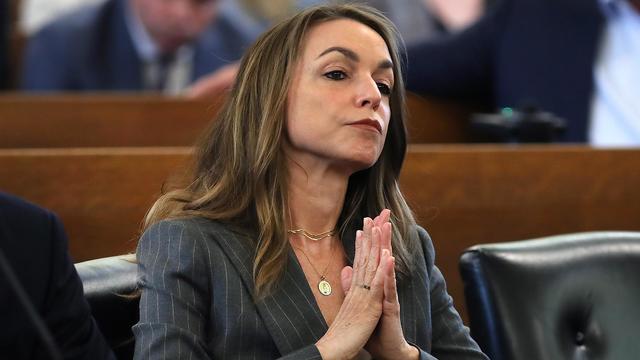
A look at the timeline of events in Karen Read's high-profile murder trial.
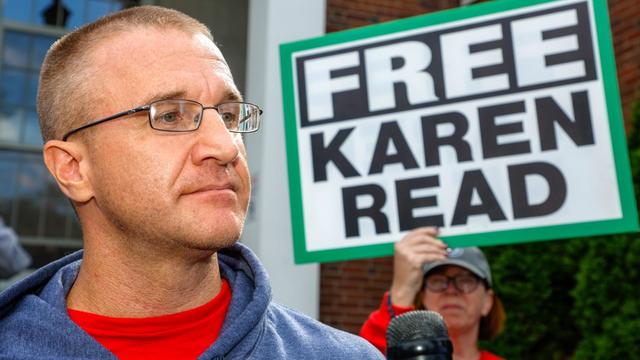
Aidan Kearney, the blogger known as "Turtleboy," is a key figure in the Karen Read trial.
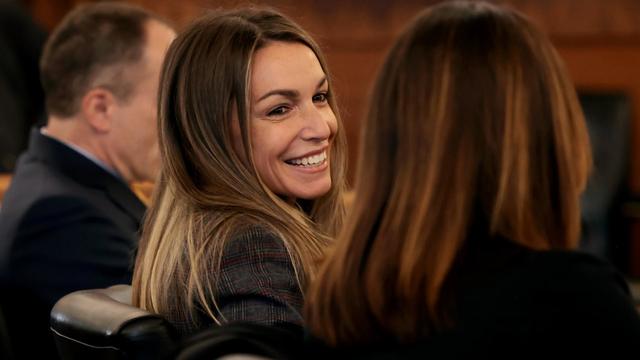
Karen Read is charged with killing her boyfriend, Boston police officer John O'Keefe.
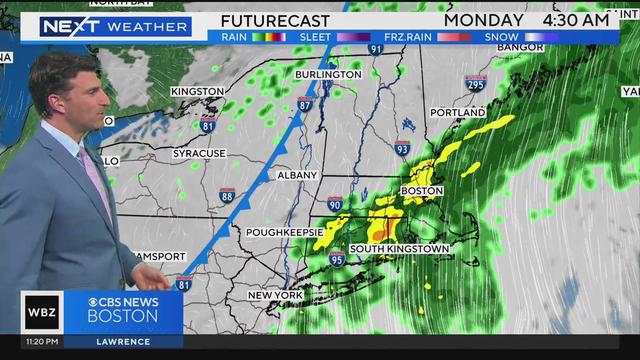
Eric Fisher has an updated weather forecast.
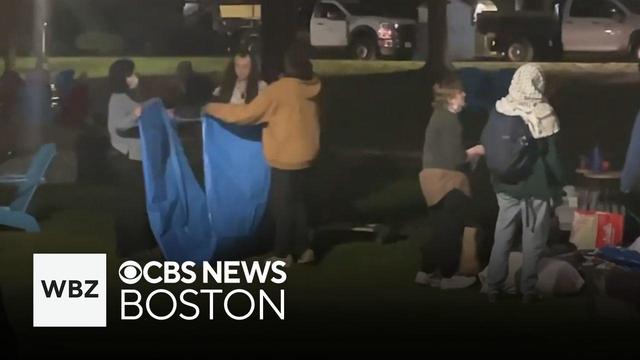
Tufts University said the encampment on the quad ended "peacefully."
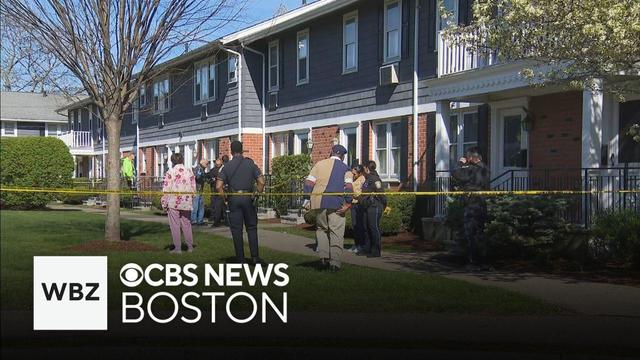
A woman was stabbed at an East Boston apartment complex. WBZ-TV's Tammy Mutasa reports.
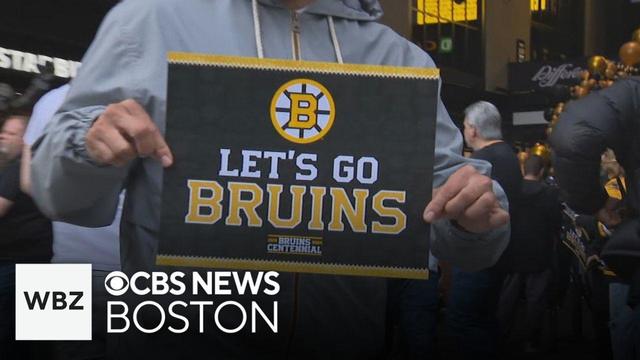
Bars around TD Garden are expecting big crowds for the Bruins-Maple Leafs game. WBZ-TV's Laura Haefeli reports.
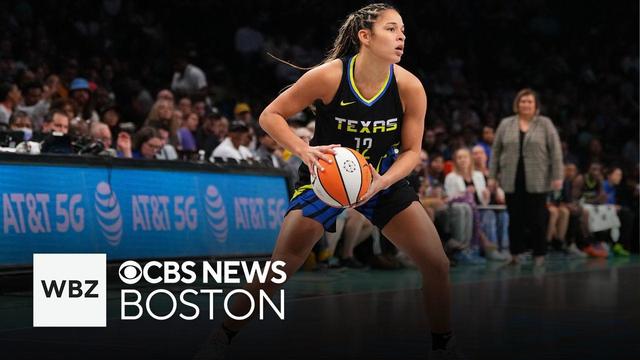
WBZ-TV's Steve Burton speaks with his daughter, Veronica Burton, a guard on the Dallas Wings.

Massachusetts is paying millions to vendors in the migrant crisis with little oversight on how taxpayer money is being spent
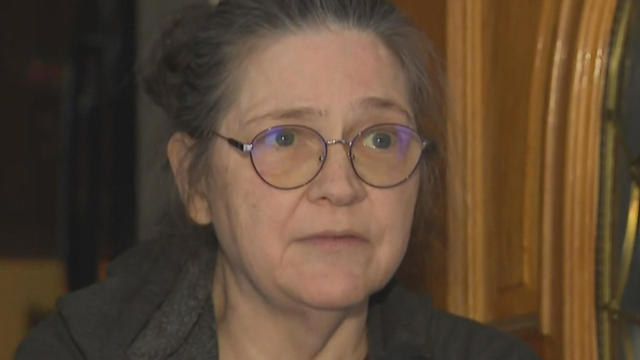
A Townsend woman was scammed into believing a famous actor was in love with her. Then the case took on a potentially more sinister turn.

Taking a break from social media could have a huge impact on a woman's body image.
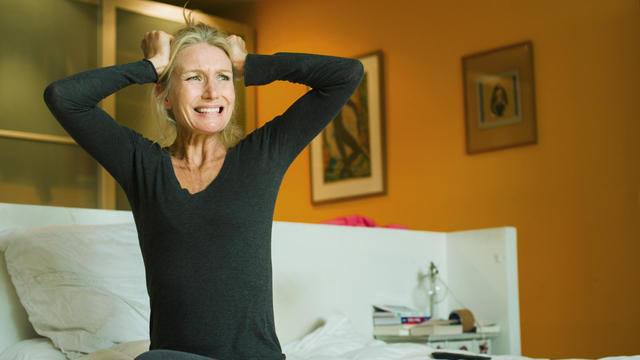
A new study finds that negative emotion can impact the health of your blood vessels.
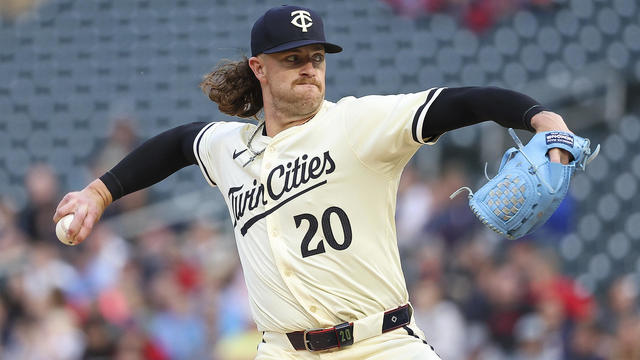
Chris Paddack pitched six scoreless innings to carry the Minnesota Twins to their 11th consecutive victory, a 5-2 decision over the Boston Red Sox on Friday night.
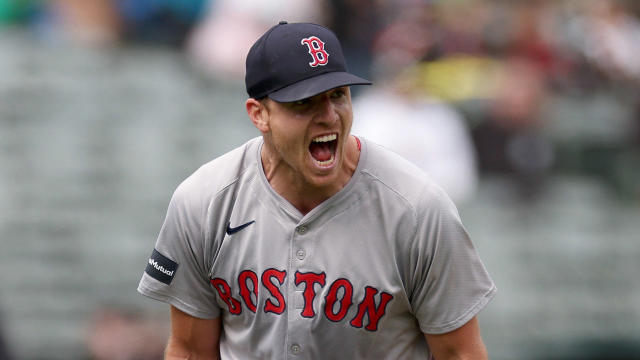
After one rehab start, Nick Pivetta can't wait to get back to the Red Sox and out of the minors.

The 2024 Kentucky Derby will be the 150th running of the high-profile race.
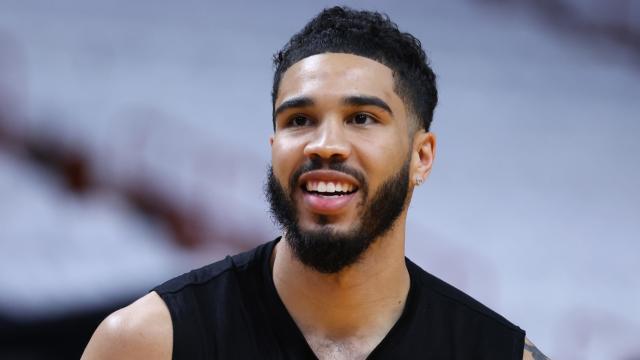
Seemingly out of nowhere, Jayson Tatum uploaded a new video to his channel on Friday, with a how-to video on tying shoes.

The Bruins are facing another Game 7, which is really nothing new for Boston's hockey team.

"They need to come through with some big-time plays in big-time moments. I think [Brad] Marchand has done that in the series. Pasta needs to step up."

Jack Edwards called his final Bruins game on Thursday night, signing off for one last time following Boston's 2-1 loss to the Maple Leafs in Game 6.

The Bruins are now very much at risk of blowing a 3-1 lead in the opening round of the playoffs for a second consecutive year.

Mike Yastrzemski had a visit from his grandfather Carl and then homered into the Red Sox bullpen like the Hall of Fame outfielder so often did in his heyday, and the San Francisco Giants beat Boston 3-1 on Thursday.

There are big plans to change the Mass Pike in Allston where the highway takes a dramatic sweeping turn.
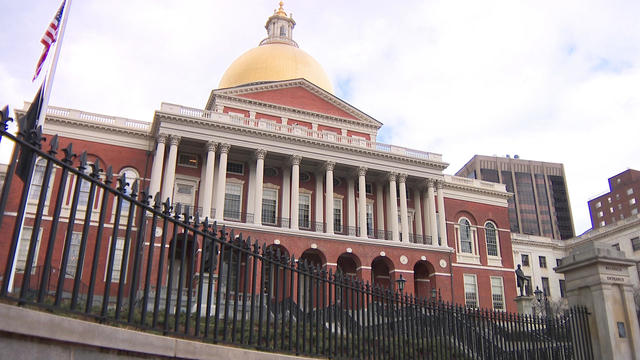
Massachusetts lawmakers are considering a bill that proposes prosecuting 18, 19, and 20-year-olds as juveniles.
Ever since TikTok Shop launched last year, users started buying products directly through the app, and now it means millions of dollars for small and medium sized business all over the country.

Not far off Route 495 in Westford, there's a place that will make you forget all about the hustle and bustle of life.

The Old Schwamb Mill is the oldest continuously operated mill in the United States.
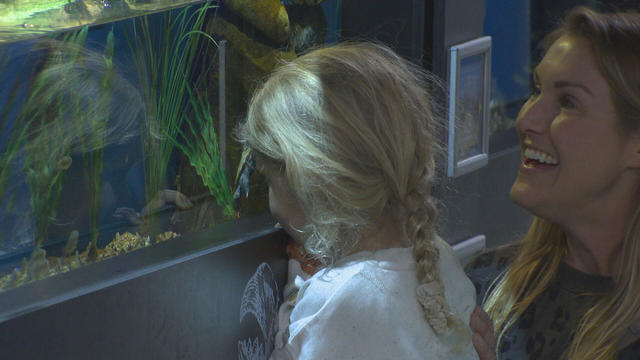
In Falmouth, just down the road from the ferry that heads to Martha's Vineyard, is an aquarium that happens to be a piece of history on Cape Cod.
Taking a break from social media could have a huge impact on a woman's body image.
A new study finds that negative emotion can impact the health of your blood vessels.
New research finds that women approaching menopause could be at higher risk for depression.
A new survey finds that young Americans are falling prey to skin cancer myths.
Scientists in China have created a test using artificial intelligence that can detect cancer using one spot of dried blood.
Massachusetts is paying millions to vendors in the migrant crisis with little oversight on how taxpayer money is being spent
A Townsend woman was scammed into believing a famous actor was in love with her. Then the case took on a potentially more sinister turn.

State contracts obtained by the I-Team show taxpayers are paying tens of millions of dollars to hotels for rooms and food.
A fourth-grade teacher at an elementary school in Cambridge is facing child rape charges.
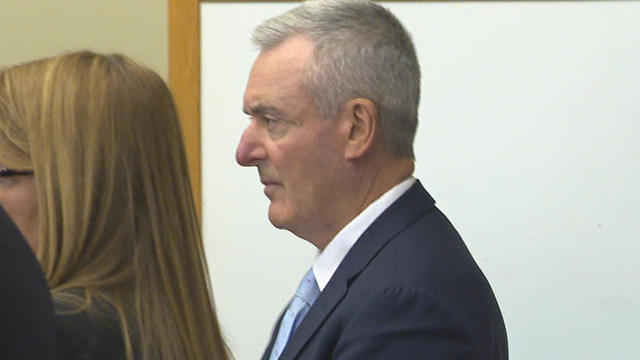
William Foley Jr., a five-time drunk driver who lost his license after a fatal crash in 2001, is back behind bars after an I-Team investigation.

Surveys have found that support for Israel is "fairly consistent," regardless of campus protests.
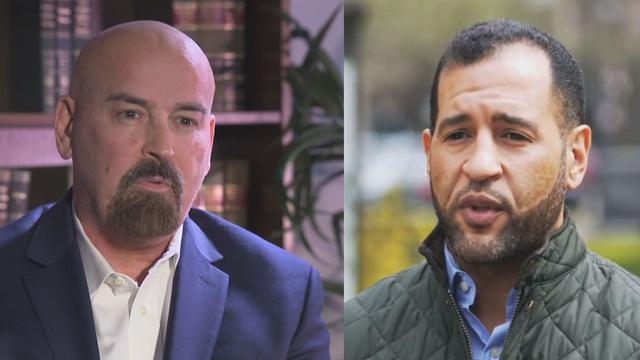
Quincy City Council President Ian Cain and Swansea attorney John Deaton are seeking the Republican nomination to run against Sen. Elizabeth Warren.
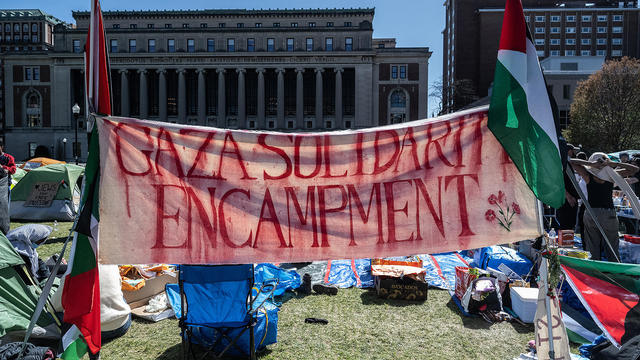
Pro-Palestinian students have accelerated their protests of the Israel-Hamas war. But are the they helping or hurting their cause?
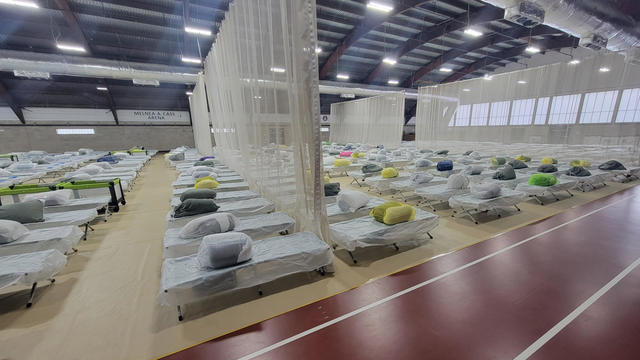
Massachusetts State Sen. Peter Durant weighed in on budget concerns in Massachusetts.

According to ADL's annual Audit of Antisemitic Incidents, Massachusetts had the fifth most incidents in the country last year, up a shocking 189 percent over 2022.
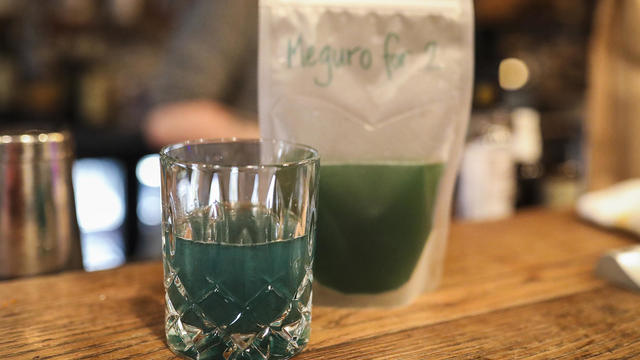
You can once again grab a cocktail to go in Massachusetts.
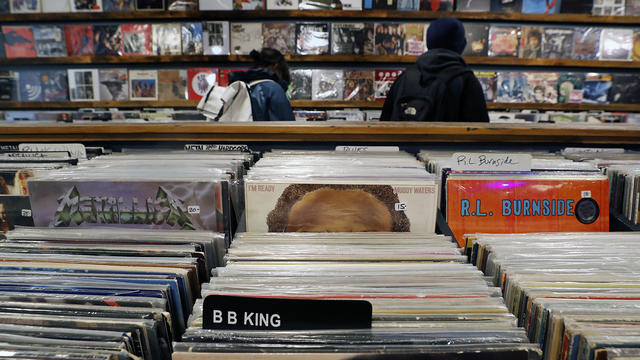
April 20, 2024 is Record Store Day. See which record shops in Massachusetts are participating.

Boston Dynamics' latest robot is ready to "exceed human capabilities," the company says.
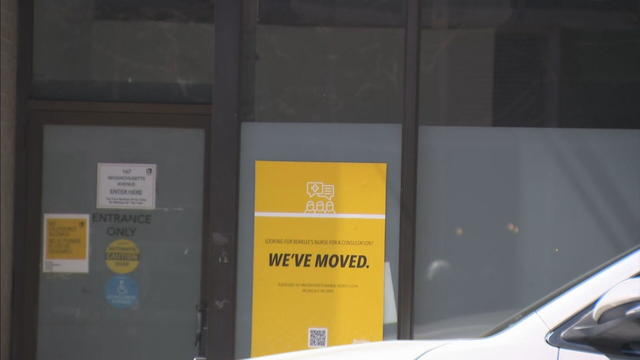
Rising costs are forcing small businesses located on Boston's Massachusetts Avenue to close.

Boston-based box wine brand Alileo teamed up with Caffe Nero to launch a coffee and wine experience in Massachusetts.

Researchers spotted a 37-year-old right whale mother named Wolf and her calf off the coast of Massachusetts.

The 2024 cicada broods will not be emerging in Massachusetts - but the buzzing bugs are set to appear here in 2025.
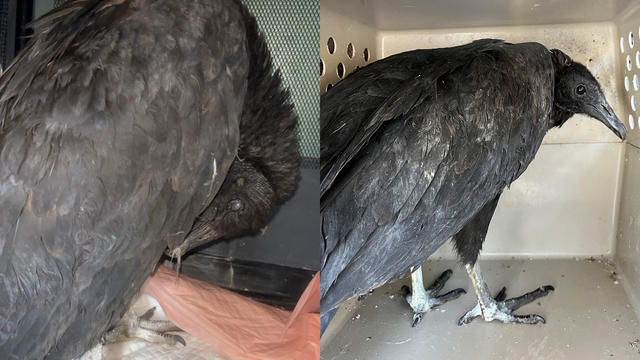
A pair of vultures thought to be "actively dying" actually had too much to drink, wildlife rescuers in Connecticut say.

A fluffy pile of golden retrievers took over the Boston Common in memory of Spencer the marathon dog.

The thick fog made for an eerie sight as the Mayflower II crossed the Cape Cod Canal.

The Strawbery Banke Museum in Portsmouth offers visitors the chance to explore more than 350 years of New Hampshire's history.

Prezza mixologist Craig Carpenter has a unique spin on Manhattans, including a bottle of bourbon with a meaningful backstory.

Take a tour of a stunning property near Harvard Square mixing modern design with quiet luxury.
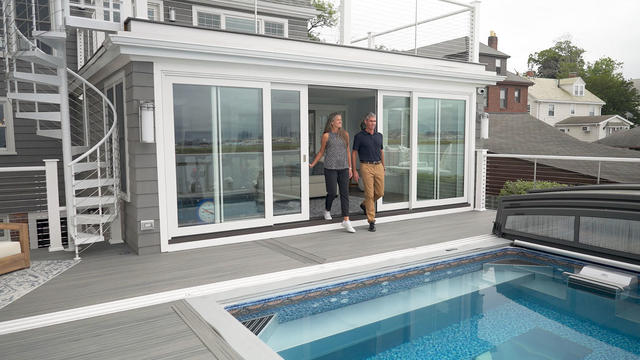
See what happens when a husband-and-wife pilot couple build their dream home overlooking Logan Airport.

When it comes to updating a house, it all starts with color.
A woman was stabbed multiple times at an apartment complex in East Boston Friday afternoon.
Pro-Palestinian protesters took down their encampment on the Tufts University campus Friday night.
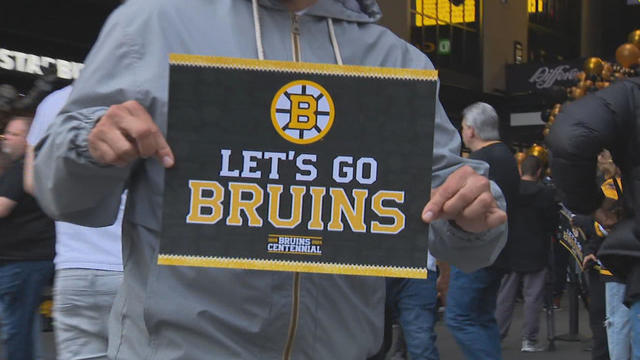
Bruins fans and business owners are hoping the team advances in the Stanley Cup Playoffs.
Massachusetts has launched an emergency operations plan in response to the financial problems with the Steward health system that affects several hospitals in the state.
In the wake of a teenager's fatal shooting last week in Worcester, a nonprofit is working to give other teens in the Massachusetts city hope.
Chris Paddack pitched six scoreless innings to carry the Minnesota Twins to their 11th consecutive victory, a 5-2 decision over the Boston Red Sox on Friday night.
After one rehab start, Nick Pivetta can't wait to get back to the Red Sox and out of the minors.
The 2024 Kentucky Derby will be the 150th running of the high-profile race.
Seemingly out of nowhere, Jayson Tatum uploaded a new video to his channel on Friday, with a how-to video on tying shoes.
The Bruins are facing another Game 7, which is really nothing new for Boston's hockey team.